Laying the Foundation for Safety: The CFA’s Take on OSHA’s Top 10 Violations
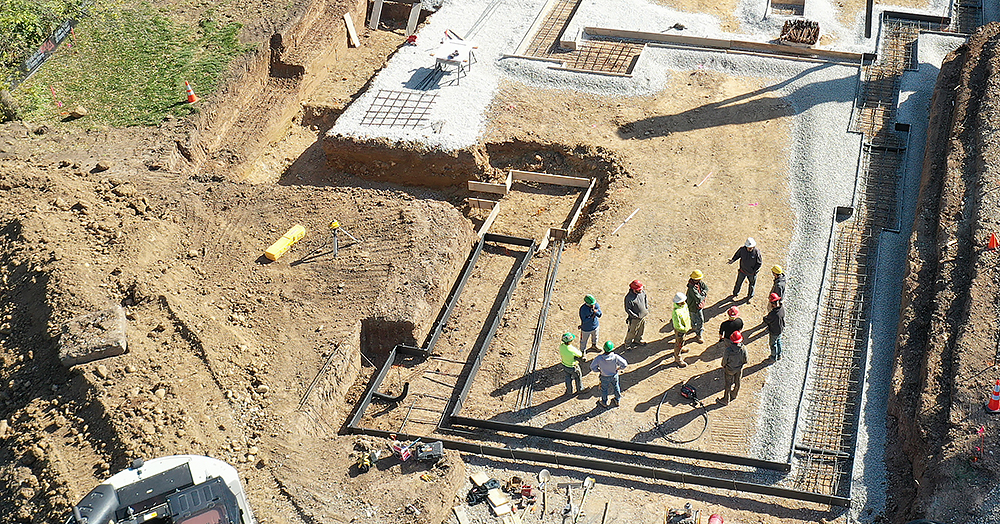
Safety communication and PPE on display as CFA member, Coello & Associates improves performance
I. Introduction
Construction and workplace safety are ever-evolving, with the consistent imperative being to adapt and improve. A critical tool in this endeavor is the annual list of the top ten safety violations released by the Occupational Safety and Health Administration (OSHA). This list does more than just highlight prevalent safety issues—it serves as a compass, pointing toward the areas that demand the most vigilance and intervention.
For professionals in the concrete industry, the implications of OSHA’s findings are profound. In response to OSHA, the Concrete Foundations Association (CFA) has taken preventative action, conducting a survey that mirrors OSHA’s list against the self-assessed readiness and compliance of CFA members. This initiative is not just about recognizing areas of risk, but also acts as an opportunity for a deep investigation into how these violations apply to, and at times differ within, the specifics of the concrete sector.
As we sift through the data, patterns emerge and an industry-specific “Top 10” safety list begins to take shape, challenging the one-size-fits-all view previously suggested by OSHA’s “Top 10.” It is through this lens that the article will discuss the CFA’s findings, juxtaposing member and competition grades, while delivering a narrative that is both educational and critical for the advancement of workplace safety in our industry.
II. Methodology of the CFA Survey
To distill a realistic snapshot of industry compliance and safety, the Concrete Foundations Association embarked on a survey that delves into OSHA’s Top 10 Safety Violations. The methodology was meticulous and thoughtful, designed to yield insights that are as actionable as they are instructive.
The survey reached out to a targeted group within the CFA’s membership, calling upon industry leaders to not only self-assess but also provide a comparative analysis against their competitors. This dual perspective offers a rich, multifaceted view of safety standards across the field.
Participants were asked to grade their company on each of OSHA’s noted violations, using a familiar letter grade system—ranging from A to F. An ‘A’ grade corresponds with a high level of compliance and initiative, suggesting that the company not only meets but exceeds OSHA standards by using proactive safety measures. A ‘B’ score reflects significant compliance with acknowledged room for improvement. A ‘C’ grade aligns with the minimum OSHA standards—compliant, yet perhaps lacking progressive safety measures. Grades descending from ‘D’ to ‘F’ indicate areas of increasing concern, highlighting potential risks and oversight, or situations where the standard may not seem directly relevant to the company’s operations.
It’s through this grading that CFA aimed to uncover not just the average level of safety adherence but also to gain a nuanced understanding of where the industry sees itself compared to how it perceives its peers in the context of these critical safety benchmarks.
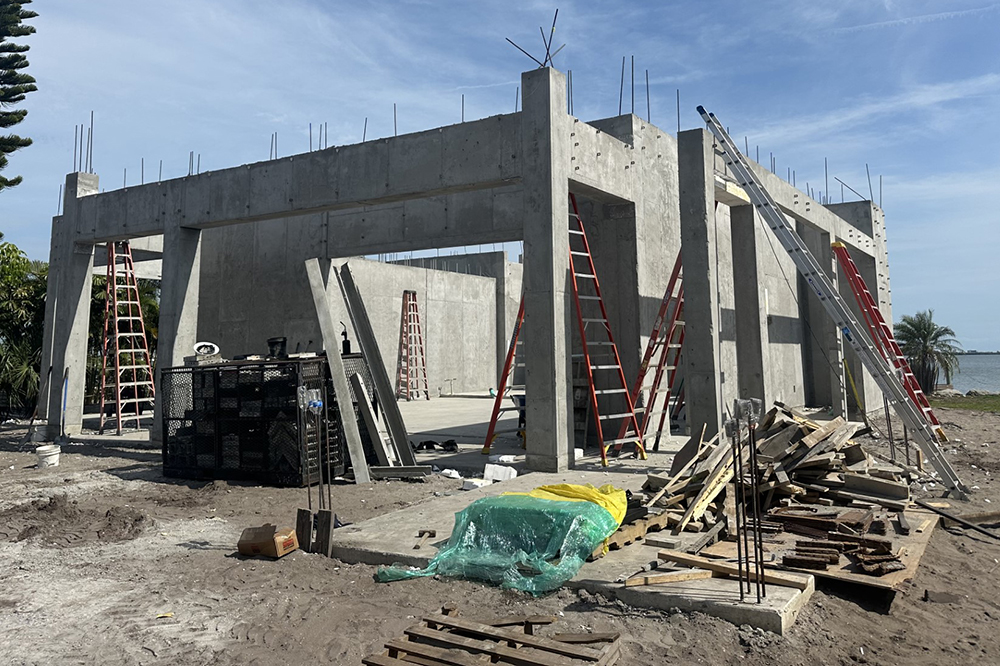
Ladders are often assumed to not be significant for cast-in-place concrete, however, ladder safety should be a priority, as CFA Member, TCB Walls demonstrates
III. Analysis of Survey Results
The CFA survey results provide a revealing cross-section of the industry’s safety practices as measured against OSHA’s Top 10 Safety Violations for 2023. Let’s take a closer look at each category and decipher the narrative behind the numbers.
Fall Protection – General Requirements topped the list with a B+ average, underscoring a strong adherence to safety measures but also a candid acknowledgment of slips, trips, and falls still being significant issues. The ‘C’ rating from the competition’s perspective suggests a more critical view, hinting at complacency in the broader industry that needs addressing.
Hazard Communication averaged a B grade, reflecting a respectable level of safety communication within companies. However, the fact that some competitors are rated ‘D’ hints at inconsistent practices across the field, emphasizing the need for continuous education and reinforcement of safety protocols.
Ladders, while receiving a C+ average, brought to light the variability in usage and safety practices, with a notable number of respondents feeling this area was not applicable to their operations. This indicates a potential undervaluation of ladder safety in certain sectors.
Scaffolding stood out with a B+ average, showcasing a commitment to enhancing equipment and training, particularly for complex commercial projects. In contrast, the ‘F’ grade given by one member to their competition is a stark reminder of the disparities in industry opinions for what constitutes a ‘safe practice.’
For Powered Industrial Trucks, participants reported an average grade of B+. This suggests robust training and operational safety, yet the absence of a consensus on competition grades begs the question of how we can achieve industry-wide consistency in this area.
Lockout/Tagout practices received a mixed response with a B average, reflecting well on adherence to proper procedures but also exposing the occasional use of incorrect tagging methods. As a result, this area appears ripe for targeted improvement.
Respiratory Protection scored a solid B+ on average, indicating a noteworthy achievement in engineering out many respiratory hazards despite the occasional ‘Fs’ from the competition which points to potential practice discrepancies.
Fall Protection Training requirements received a B+ average, with respondents acknowledging the challenges of training workers for unfamiliar tasks, exemplifying the importance of ongoing education in this area.
The category of Personal Protective and Lifesaving Equipment – Eye and Face Protection received one of the highest averages at A-, demonstrating strong compliance and pinpointing an area where the industry takes considerable pride. Nevertheless, issues like seasonal transitions affecting PPE adherence signal a need for continued attention.
Finally, Machine Guarding, with a B average, was noted as an area that’s sometimes overlooked, particularly with material conveyor trucks, emphasizing the importance of maintaining vigilance in equipment safety.
These results paint a picture of an industry earnestly striving for safety, while also shining a spotlight on areas where improvement is not just possible but essential. As we juxtapose member grades with competition perceptions, it is evident that while some companies lead the way in safety standards, the industry as a whole has significant room for growth.
IV. Commentary and Insights from Industry Leaders
The raw data from the CFA survey is brought to life by the experiences and reflections shared by the respondents. Their commentary sheds light on the multifaceted challenges of adhering to safety protocols within the concrete industry.
For example, the survey revealed that ladders, while not frequently used by all, represent a significant safety challenge when they are employed. The underutilization in certain sectors, such as ladder safety, suggests that routine proficiency might be lacking, creating a blind spot that requires targeted attention.
In discussions about respiratory protection, it was noted that although comprehensive hazard controls have reduced the need for respirators, there are still pockets within the industry where their use is inconsistent, particularly for infrequent tasks. This points to the need for reinforced training and vigilance, especially for occasional high-risk activities.
Machine guarding was another area of focus, with respondents underscoring the critical nature of this safeguard, especially in the context of material conveyor trucks. A past incident involving a missing guard was cited as a pivotal learning moment, emphasizing the continuous need for stringent safety checks and a culture that proactively addresses every detail.
The survey also illuminated the complexities surrounding fall protection training. While general training received high marks, members recognized the difficulty in adapting training for workers transitioning to unfamiliar tasks, illustrating that safety education must be flexible and task-specific to be fully effective.
In terms of personal protective equipment (PPE), the industry generally excels, but challenges in compliance were noted. Variability in adherence, particularly affected by seasonal changes or amongst different demographics within the workforce, suggests an ideal area for improvement.
Collectively, the feedback from industry leaders demonstrates a significant theme: adherence to safety standards is not uniform, and the depth of understanding and applying these standards can vary considerably across the industry. It is evident that areas often perceived as strongholds of safety could benefit from renewed focus and enhanced training initiatives.
V. Confronting Workforce Challenges in Compliance
The concrete industry, like many sectors today, faces a complex challenge: an aging workforce juxtaposed against a newer generation of workers. This demographic shift brings about unique compliance challenges within the landscape of workplace safety.
The seasoned professionals, who are approaching retirement, carry with them invaluable experience and a deep-rooted understanding of safety protocols. However, this group is contending with the inevitable changes in dexterity, mobility, and flexibility. It’s essential that their knowledge is effectively passed on and adapted to fit the evolving nature of the field.
On the other end of the spectrum, the industry is being infused with a younger, more diverse workforce. While they bring athleticism and a fresh perspective, they often lack the years of experience that inform safe practices. This gap is not insurmountable, but it does require a deliberate approach to training and mentorship. Fostering a culture that values safety as much as productivity is key.
Adapting to these demographic shifts means revisiting and potentially revamping training programs. Microlearning modules, hands-on skill assessments, and mentorship programs are examples of strategies that could enhance the learning experience and retention for a workforce that spans generations.
Moreover, the survey highlights a need for a better understanding of compliance. Being ‘compliant’ with OSHA standards, as indicated by a grade of ‘C’, might meet the minimum requirements, but the aim is to exceed them. Striving for an ‘A’ reflects a commitment to not just following rules but actively fostering a safe work environment.
In light of these challenges, the industry is called to not only maintain high safety standards but also innovate and adapt. Embracing technology, prioritizing continuous education, and recognizing the value of a diverse workforce are steps towards a future where safety and productivity go hand in hand.
VI. Refining the OSHA Top 10 for the Concrete Industry
The general list of OSHA’s Top 10 Safety Violations serves as a benchmark for workplace safety across various sectors. However, within the specialized context of the concrete industry, a tailored approach is warranted to address its unique challenges and risks.
The CFA survey suggests a conceptual shift from a generalized “Top 10” to a more industry-specific “Top 7.” This is due to the interrelated nature of some violations, especially within fall protection categories. These interconnected issues suggest that a singular, comprehensive strategy could be more effective than addressing each category in isolation.
Moreover, it’s crucial to examine the survey’s implications for categories that some members considered non-applicable or irrelevant. For instance, violations pertaining to machine guarding or ladders might not seem immediately relevant to all segments within the industry, but their impact on safety is undiminished. Ignoring these areas can lead to vulnerabilities that compromise worker safety and operational integrity.
The nuanced reality reflected in the survey results points to a need for a custom safety checklist that prioritizes the most impactful risks. By focusing on the “Top 7” tailored to concrete professionals, the industry can channel its resources and training efforts more efficiently. This targeted approach aims to enhance not only compliance but also the practical application of safety standards where they matter most.
To refine the list, the industry must draw from both the data and the qualitative insights provided by the respondents. This includes recognizing the significance of seemingly minor or rare issues and understanding that the foundation of a safety-conscious culture lies in attention to detail.
This recalibrated safety list isn’t about reshuffling priorities, but rather developing a deeper understanding that some categories carry a weight beyond their frequency of citation. It’s about recognizing that in the dynamic environment of the concrete industry, what seems non-critical today could be tomorrow’s primary concern.
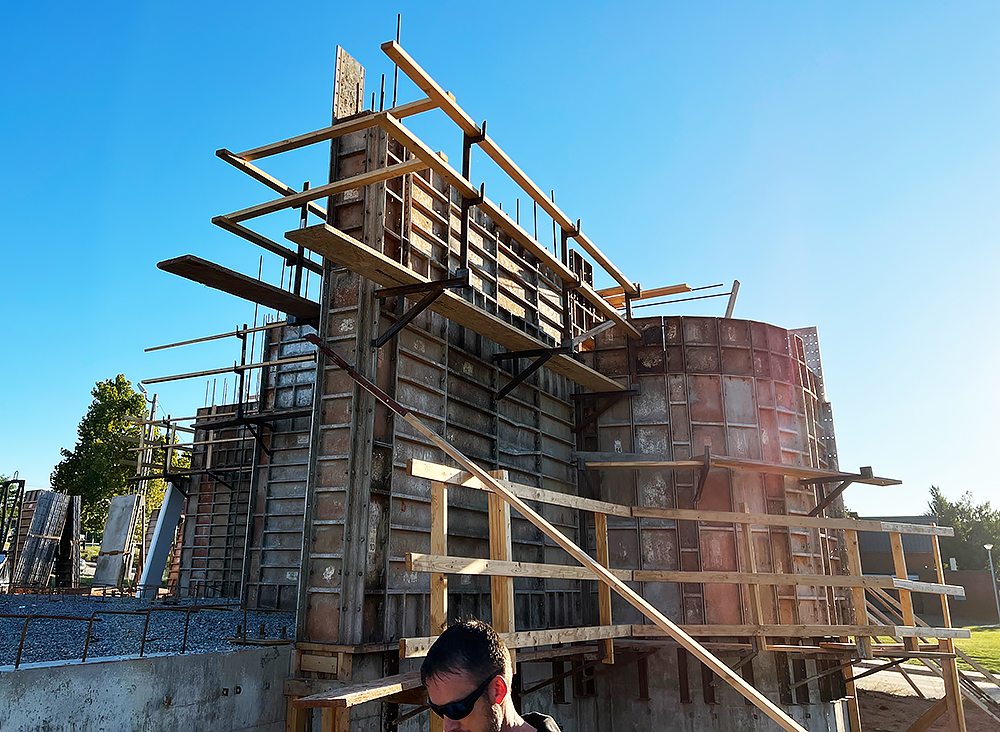
Scaffolding safety and complying regulations are a must in today’s world of taller wall foundations, knows CFA Member, Basement Contractors of Oklahoma
VII. Conclusion
The CFA survey, set against the backdrop of OSHA’s Top 10 Safety Violations for 2023, has illuminated the unique challenges and strengths within the concrete industry. By juxtaposing the self-assessments of CFA members with the broader metrics of industry compliance, a compelling narrative emerges—one that speaks to both achievements and areas for improvement.
The survey’s findings underscore a vital truth: while certain safety standards are universally applicable, the concrete industry faces specific challenges that demand bespoke solutions. The nuanced understanding and application of these standards, as revealed through the survey, highlight the industry’s commitment to meet and exceed safety expectations.
The dialogue around the “Top 7,” as opposed to the generic Top 10, is a testament to the industry’s proactive stance on safety. It reflects a keen understanding that the real work lies not in merely adhering to standards but in embedding a culture of safety that permeates every aspect of operations. This approach acknowledges that safety is not a checklist but a continuous journey of learning, adaptation, and vigilance.
Moving forward, the industry is called upon to leverage the insights gained from the survey to bolster safety practices. This entails a focused effort on education, mentorship, and the integration of innovative technologies that can make safety protocols more intuitive and effective. It also requires a collective commitment to fostering an environment where safety is the cornerstone of operational excellence.
In conclusion, the path to enhanced workplace safety in the concrete industry is multifaceted. It requires a concerted effort to address the specific challenges identified through the CFA survey. By doing so, the industry simultaneously safeguards its workforce and sets a benchmark for safety that resonates beyond its confines. The journey towards exceptional safety practices is ongoing, and with each step, the industry moves closer to achieving an environment where every worker returns home safely at the end of the day.
default
Lessons to be Learned from a Sad Story
By Wayne Schooling
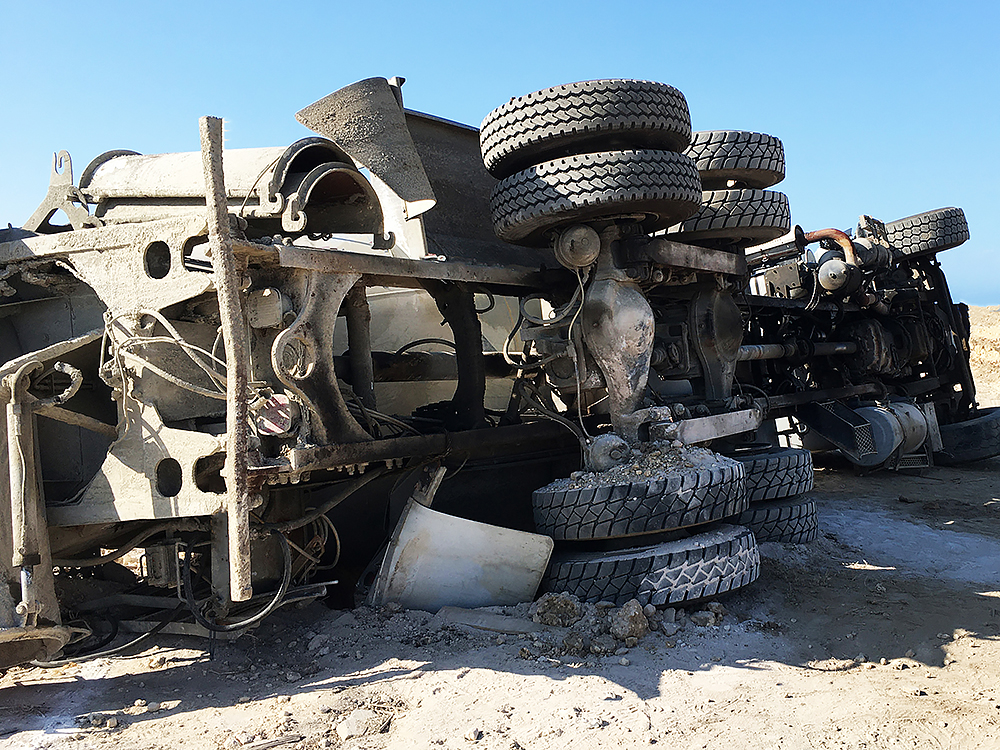
On March 22, 2024, a concrete pumper truck veered into oncoming traffic on State Highway 21 in Texas, striking a school bus full of children and ultimately killing a 5-year-old and an adult. At the time of the crash, the bus was transporting 44 children and 11 adults’ home from a field trip to the Texas Zoo.
According to reports, the driver of the concrete truck, 42 year-old Jerry Hernandez, admitted to law enforcement he had smoked marijuana the night before the accident, had used cocaine the morning of the accident, and had only obtained around 3 hours of sleep the night before. Hernandez was subsequently arrested and charged with criminally negligent homicide. Court records reveal Hernandez was in so-called “prohibited” status in the federal Drug & Alcohol Clearinghouse due to a prior refusal to submit to a reasonable suspicion test in 2020.
Investigators also met with FJM Concrete, LLC, the company that operates the concrete truck involved in the crash, according to court records. The owner of FJM allegedly admitted he had not verified the status of Hernandez’s CDL or his Clearinghouse record.
The accident is now under investigation by the NTSB.
Sometimes accidents are just accidents; by all accounts, this wasn’t one of them. Based on available information, this one was very much preventable. Had the employer of this driver taken the basic steps required of it by federal and/or state law, this driver wouldn’t have been operating the truck at the time of the accident and people wouldn’t have died.
Enough is enough! When are carriers going to learn their lesson and put in the work and effort it takes to keep our roadways safe? Complying with laws that exist to help accomplish this goal is the bare minimum. If you’re not doing that, shame on you; you are part of the problem. But fixing this problem requires a bigger commitment. What are you doing to truly improve safety? Anything?
There are plenty of lessons fleets can/should take away from this particular case. Here are just a few that come to mind…
If you aren’t using the Clearinghouse,
you better start
In January 2020, the Federal Motor Carrier Safety Administration (FMCSA) rolled out its Drug & Alcohol Clearinghouse, which it describes as an “online database [that] helps keep roads safer for all drivers by identifying, in real time, drivers prohibited from performing safety-sensitive functions, such as operating a commercial motor vehicle (CMV), due to a drug and alcohol program violation.”
Anyone who employs or engages commercial drivers to operate vehicles that require a CDL is obligated to run Clearinghouse queries on these drivers to ensure they are not prohibited from operating due to prior drug/alcohol violations.
It’s been four years since FMCSA mandated carriers use the Clearinghouse; however, I’m routinely shocked when fleets tell me they haven’t been using it. Why not? It takes a few minutes to sign up for a Clearinghouse account and run a required query, and it costs less than $2 to do so. It’s also required by law. So, what exactly is your excuse?
|
All Drivers (with at least 1 Violation |
226,598 |
|
CDL Drivers in Prohibited Status |
158,330 |
|
RTD Process not started |
120,676 |
|
SAP Requests sent |
1,477 |
|
SAP Designation confirmed |
4,619 |
|
SAO Request declined |
961 |
|
Initial SAP Assessment complete |
7,414 |
|
Eligible for RTD testing |
23,183 |
|
CDL Holders in Not-Prohibited Status |
68,258 |
According to Clearinghouse data, as of January 2024, there are over 158,000 commercial drivers in “prohibited” status due to prior drug/alcohol testing violations. By law, these drivers are NOT eligible to operate commercial vehicles. They shouldn’t be on the road.
Turning back to the case at hand, according to available information, FJM had a regulatory obligation but failed to run a Clearinghouse query on Hernandez. Had it done so, it’s my understanding FJM would have discovered that Hernandez was in “prohibited” status and could have kept him out of the truck. That simple step could have spared two lives in this case.
Simply put, if you’re hiring individuals to operate CDL-sized equipment and you’re not utilizing the Clearinghouse like you’re supposed to, you’ve got a big problem. You need to register for an account and start using it ASAP.
Also, in November of 2024, state drivers’ licensing agencies will be compelled to automatically downgrade the CDLs of drivers who are put into prohibited status in the Clearinghouse. That should help fill a gap that currently exists in the system, which allows drivers to keep their CDLs despite being prohibited from operating vehicles that require them. But this will not eliminate the burden that rests on the shoulders of fleets to ensure their drivers are properly qualified, including via required Clearinghouse queries.
Employing drivers with prior drug/alcohol violations is risky; you better have a plan
In this case, Hernandez allegedly had a history of drug use. It’s unclear whether FJM knew of that history when it hired him; however, this situation is exceedingly common in our industry. Drivers with prior drug/alcohol testing violations apply to drive for new carriers, and the question is whether those new carriers should hire these drivers despite their history.
It’s not an easy question to answer. The federal drug/alcohol regulations prescribe the steps that regulated drivers can take to “return to duty” once they violate the drug/alcohol testing rules. In other words, the regulations themselves allows drivers to keep driving after a drug/alcohol testing violation, so long as they jump through the required hoops. Of course, that doesn’t mean subsequent putative employers are required to hire them.
Some–perhaps many–carriers make it a matter of company policy that they will not hire someone who has previously violated the drug/alcohol testing rules. To them, it’s too risky to hire these drivers even though they’ve completed the return-to-duty steps. This case is a good example of that.
Even if Hernandez had gone through the steps to “return to duty,” he clearly had a persistent drug abuse problem, which ultimately led to a catastrophic accident. Simply stated, putting drivers with a known history of drug/alcohol problems behind the wheel of heavy trucks and buses is inherently risky, even if technically allowed by the regulations.
Are you willing to take that risk? If so, you better have some guard rails in place to help you mitigate that risk. What I mean is that if you intend to hire drivers with a history of drug/alcohol problems, you should ensure you’re not turning a blind eye to their potential relapse. If you do and that leads to a catastrophic accident, you may be partly to blame.
So, what can you do to help minimize that exposure? Well, there are several options. You could subject those drivers to more frequent non-DOT random drug/alcohol testing. You could ensure you are having regular interactions with them to look for signs of impairment. You could provide them ongoing education and support. In short, be sure you’re doing something.
You should have plenty of folks trained in reasonable suspicion
The regulations require any carrier whose drivers operate CDL-sized vehicles to train their driver supervisors in reasonable suspicion. In other words, anyone who interacts regularly with these drivers must be trained to detect the signs and symptoms of drug/alcohol impairment.
Specifically, they must receive at least one hour’s worth of training on drug use and another hour’s worth of training on alcohol use. If they detect impairment, then they must direct the driver to submit to a reasonable suspicion drug/alcohol test.
In the case at hand, Hernandez admitted to using marijuana the night before and cocaine the morning of the accident. He also admitted to sleeping only 3 hours the night before, and court records indicate he was falling asleep during interrogations shortly after the accident.
What we don’t know is whether FJM had any interactions with Hernandez prior to the accident and whether he exhibited any signs of impairment. I have to think there’s a good chance he did. If so, and had FJM detected that impairment and directed Hernandez to submit to a reasonable suspicion test, then maybe they could have avoided this accident altogether.
Long story short, fleets need to ensure they are training their driver supervisors in reasonable suspicion. They have a critical role to play in that they are the front-line defense against drivers operating while impaired.
Monitoring drivers’ available hours is basic compliance
In this case, Hernandez admitted to only sleeping for three hours the night before the accident. And court records indicate he was falling asleep in his post-accident interrogations. Whether due to his drug use or lack of sleep, Hernandez was clearly fatigued and should not have been operating the vehicle at the time of the accident.
Driver fatigue has historically and continues to be a significant contributor to highway accidents. Indeed, it’s the impetus for the hours-of-service regulations that we’ve had in place in this country since the 1930s. It also happens to be a common trigger for so-called nuclear verdicts against trucking companies, as detailed by the American Transportation Research Institute (ATRI) in its 2020 study of these types of cases. That’s not surprising, yet many fleets continue to struggle mightily with hours-of-service compliance. Electronic logging devices (ELDs) were meant to help, but the jury’s still out on whether they do.
In my experience, the fleets that struggle the most with hours-of-service compliance are simply not putting in the work it takes to get control of the issue. Plenty of blame gets passed around, but ultimately it really comes down to closely monitoring drivers’ hours and holding them accountable to violations.
As a general rule, carriers are not (1) keeping a close enough watch on HOS; and (2) forceful enough when it comes to dealing with repeat HOS offenders. If nothing else, ELDs make it easier for carriers to keep track of each driver’s available hours and to sniff out any funny business in their logging. But too often, carriers are just ignoring that data, which inevitably leads to violations and could lead to serious crashes.
So, first thing’s first, fleets need to be routinely checking driver logs and confirming drivers are within their allowable limits before dispatching them. Had FJM done that in this case, it presumably would have discovered Hernandez had not obtained the required 10 hour-off duty break and shouldn’t have been on the road.
Beyond monitoring drivers’ compliance with the HOS rules, carriers also need to be more aggressive in holding drivers accountable for violations. Too often they’re letting these issues slide. There need to be real “teeth” to a carrier’s progressive discipline program. Drivers who repeatedly violate the law need to be effectively suspended and ultimately terminated, or else the issues will persist.
I understand fleets are hesitant to do this when drivers are hard to come by and expensive to onboard, but those are just excuses that won’t ultimately matter in the context of a catastrophic accident. Contractor fleets, this also applies to you! That you’re balancing the employment-status of your drivers against safety in limiting your “control” over them will be cold comfort to the families of the folks that your drivers end up killing or injuring or the juries who will be hearing the cases.
Safety technology should be higher on your priority list
It’s unclear whether FJM had any safety technology installed on the concrete truck Hernandez was driving. Would lane departure warnings have made a difference here? What about automatic emergency braking? Hard to say until we get the full details, but it’s hard to imagine those technologies would have hurt.
I get it. It’s expensive for fleets to install equipment that isn’t currently mandated by regulation. But as with most things, it’s a cost/benefit analysis. If there’s even some remote likelihood that a given technology could potentially prevent the death of a 5-year-old, it should at least be considered.
Maybe the economics of it don’t work for you at the moment, but what precludes you from placing it in line for implementation down the line? Also, as more and more fleets begin to voluntarily adopt these technologies across the country, the more likely they will be considered the industry standard against which you will be judged in highway accident litigation.
Conclusion
As they say, hindsight is 20/20. But if we as fleets aren’t learning lessons from accidents like this one and taking steps to keep ourselves out of them, we are doing ourselves a tremendous disservice and dooming ourselves to a similar fate. This particular case highlights the importance of complying with applicable drug/alcohol testing and hours-of-service regulations, to name just a couple.

Press Release: Euclid Chemical Introduces Innovative Fast-Setting Concrete Repair Mortar
Euclid Chemical Introduces Innovative Fast-Setting Concrete Repair Mortar
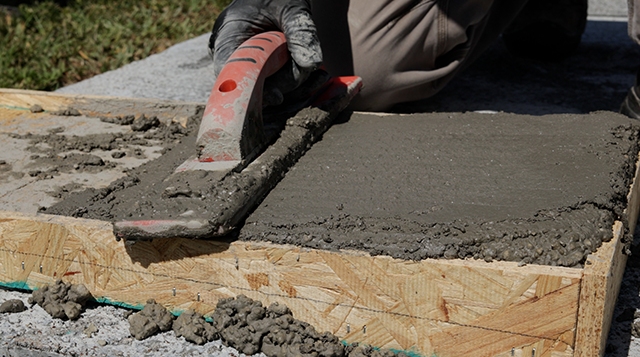
CLEVELAND, Ohio (June 11, 2024) – Euclid Chemical, a leading manufacturer of concrete and masonry construction products, announced the launch of VERSASPEED RMC, a fast-setting, one-component, cementitious repair mortar that is shrinkage compensated, pozzolan and microfiber modified, and contains an integral corrosion inhibitor. The new product is designed for horizontal and formed vertical repairs as well as overhead structural repairs.
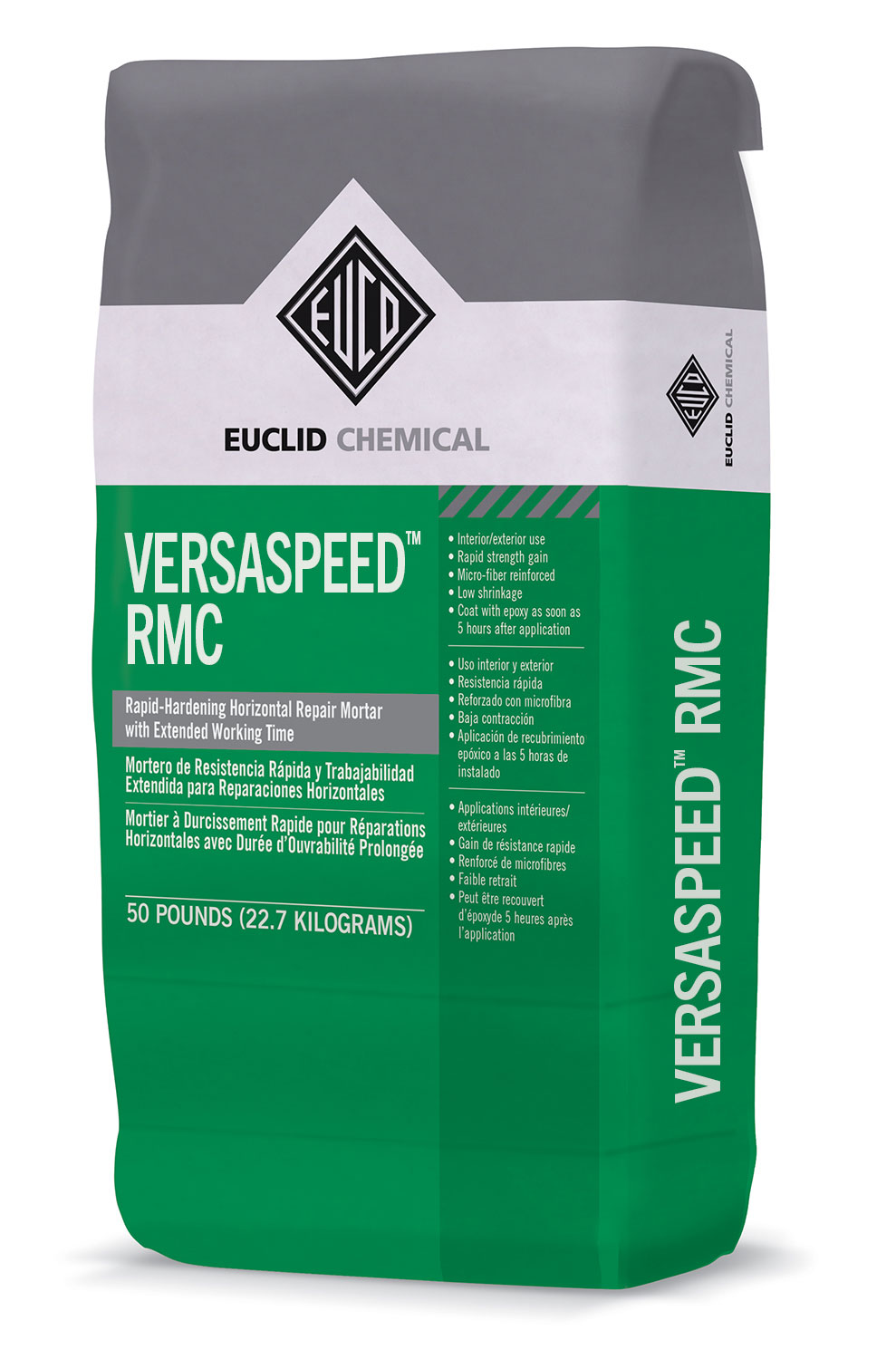
Appropriate for applications from 1 inch to full depth where a faster return to service is required, the non-metallic and non-staining material is uniquely formulated—making it great for projects that require repairs on sloped grades. Typical applications include:
- Parking decks
- Joint repairs
- Balconies
- Equipment bases
- Pavements
- Beams
- Vertical and overhead formed repairs
Pre-mixed with pea gravel, VERSASPEED RMC is ready-to-use. The product offers low permeability with excellent freeze-thaw resistance and is designed to minimize cracking. Due to its rapid hardening, this concrete repair mortar allows users to strip forms the same day, and it can be coated 5 hours after the final setting.
VERSASPEED RMC meets ASTM C928 Standard Specification for Rapid-Hardening Cementitious Materials for Concrete Repairs requirements and is packaged in 50-pound bags that yield 0.37 ft³per bag when mixed with 4.25 pints of water.
For additional rapid-hardening concrete repair mortars, check out Euclid Chemical’s full line of VERSASPEED products, including VERSASPEED 100 and VERSASPEED LS100.
About Euclid Chemical
Headquartered in Cleveland, Ohio, Euclid Chemical has served the global building market for more than a century as a leading manufacturer and supplier of specialty products and technical support services for the concrete and masonry construction industry. Euclid Chemical’s expansive product line includes admixtures, fiber reinforcement, concrete repair products, flooring materials, decorative concrete systems, and more. Learn more at www.euclidchemical.com.
# # #
Robert D. Sawyer Distinguished Service Award: Bruce Neale, Modern Foundations
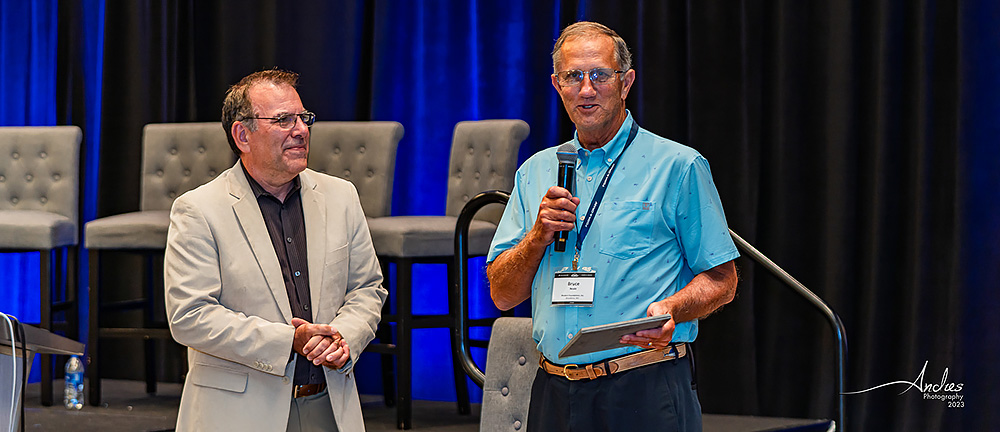 The Robert D. Sawyer Award, named on behalf of Bob Sawyer, the first executive director of the CFA, is the most prestigious recognition that can be offered to a member of the concrete foundation industry. The award recognizes individuals who give tirelessly of their time and resources to serve the industry. “Bob Sawyer took the helm of the association when it was first chartered in 1974 and served for nearly thirty years, ensuring a sound platform for contractors to come together for learning, strategy, and the understanding that in a challenging industry they are never alone,” said former executive director and past recipient, Ed Sauter. The award is presented on occasions when the industry identifies an individual who characterizes or embodies the spirit of both the association and the rich legacy offered by those who have followed the precedent set by Sawyer. This characterization is generally determined by two criteria: (1) depth of involvement as a leader in the association and (2) contributions to the CFA cause.
When considering the contributions and qualities of each person on the prestigious list of deserving professionals (considerred by past recipients of this award), there was unanimous agreement that the very next recipient needed to be Bruce Neale, president of Modern Foundations in Woodbine, Maryland. When he was president of the association, Neale helped manage through a time of rapid growth and significant industry influence for the CFA. At the same time, he had the vision of how his company might grow and provide a stronger future for the family business. This vision led him to be a thought leader for ready mix, stone shooting, mobile ready mix, GPS data logging, precast concrete, retaining blocks, and much more.
“The list up there is so hard to imagine that I was even nominated for this,” Neale said. “When notified that I was going to get this award, first thing I think I said was, ‘no, I don’t deserve this award.’ The people that have been up there that helped to form this association have been great leaders for me. I’ve taken a lot back from this association. And I want to say that this current association and your [Baty’s] direction of it has taken this association to a different level. We are now getting to be recognized as the authority in the industry. I think that’s what we strived for many years ago. How do we become the authority that everybody looks to? And even in my local jurisdictions, they know who the CFA is.”
When asked to give his thoughts on what contractors should be doing today and how to leverage the association benefits, Neale said, “Promote this organization to your local agencies around you, the inspectors, because you’ll gain a lot of respect and you’ll be able to do your job a little bit easier.”
Contractor of the Year: Doggett Concrete Construction
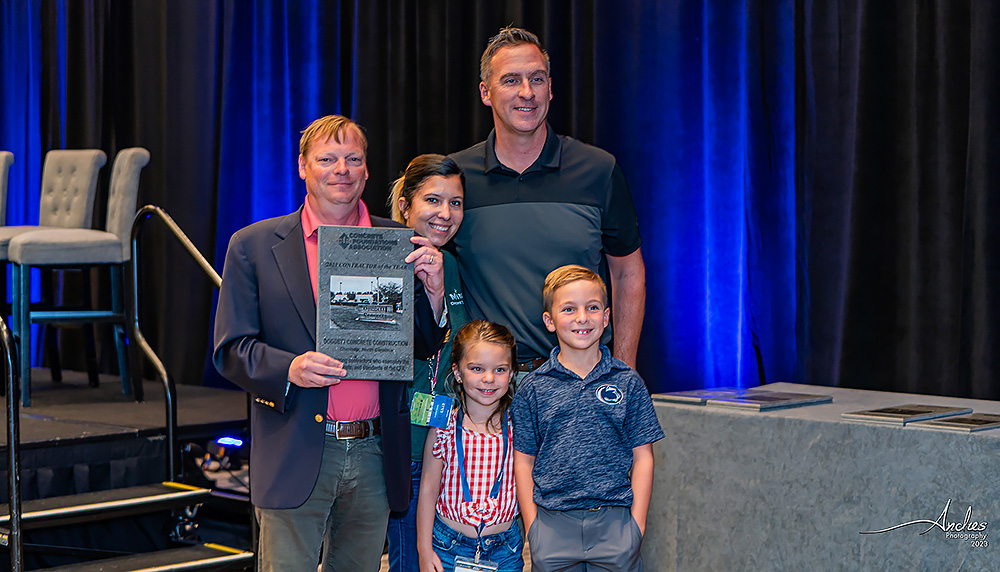 The most frequently awarded recognition from the CFA historically has been the Contractor of the Year award. This recognizes the industry contributions of a poured wall contractor and often shows the great efforts the contractor makes to benefit more than just their company’s location and position—how they work toward the greater goals of the association and the industry. This award recognizes the service, technology, and knowledge needed to advance the use of poured wall construction. The recipient is acknowledged for unselfish commitment to peers, to the association, and to the industry both at their market level and on a national scale.
Doggett Concrete Construction of Charlotte, North Carolina, is this year’s 2023 CFA Contractor of the Year. They are all in when it comes to the CFA, supporting the association and leveraging the network in such areas as board meetings, committee and task force participation, Best Practice Groups, and consistent participation at numerous events. One of the newest resources developed for members is the availability of the “Private Classroom,” where a member can host a day of education topics for crews and customers, including certifications. Beginning with company founder, Doug Doggett, the company has looked into participation for multiple management levels, involving departments like Human Resources and encouraging participation in CFA’s Emerging Leaders group. To further leverage their passion, they have become an ambassador for growth, referring companies to membership.
Mike Kana, the newly named President for Doggett Concrete, received the award recognition and said, “We have taken so much away from the CFA. It’s taken me a little while to kind of figure all that out and bring it back to our teams with even training all our folks and plugging them in as best we could. I attended this event a couple of years ago for the first time with Doug [Doggett]. We went to the board meeting and at the end he said, ‘Here you go, boy.’ I was just encouraged to run with it from there, and it has worked out so well.”
Innovative Contractor of the Year: Bulletproof Walls Inc., dba TCB Walls Inc.
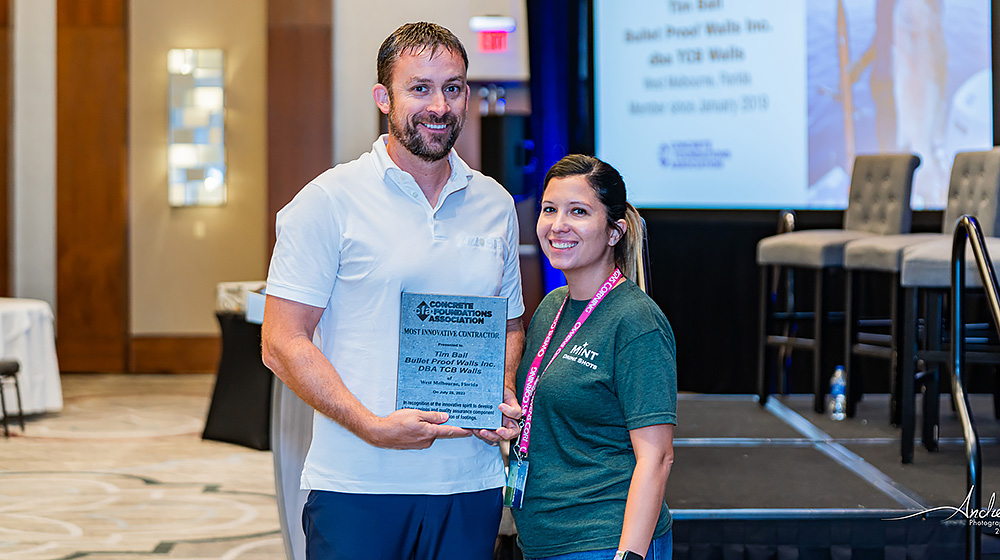 An industry with as much history as cast-in-place concrete may appear as if practices and systems are no longer evolving. While new technologies using computers and advanced mechanics or logic are often brought to light, many times the most innovative solutions are initiated by the contractors themselves, tapping their experience and creativity to find a better way without necessitating significant capital investment or expense. The Spirit of Innovation for the Innovative Contractor of the Year Award recognizes an individual or company for developing, creating, or instituting new concepts across a broad spectrum of business categories including construction, management, and marketing.
The Board of Directors recognizes this year’s recipient, Tim Ball and TCB Walls of Melbourne, Florida, for an innovative aspect of supplier management. Since exploring Ball’s business model during a post-COVID event, many companies have been influenced by his engagement of suppliers, how he treats them as he treats his best customers. “This was a revolutionary way of making sure your company is a ‘preferred customer’—by making your supplier realize they are a ‘preferred vendor,’” offered Baty during the presentation.
In addition to innovation in customer relations, Baty noted the innovative spirit with which Ball’s company continues to lead in above-grade concrete housing. “While this has yet to grab a hold on volume-based construction decisions outside of his market, it has quickly become the standard for a market where storm risk is a regular reality,” Baty said.
When asked what his main advice for this customer relations tactic might be, Ball said that his goal was to make his supplier feel like his best customer, and whenever he does this, they are always there for him.
National Associate of the Year: Owens Corning Infrastructure Solutions
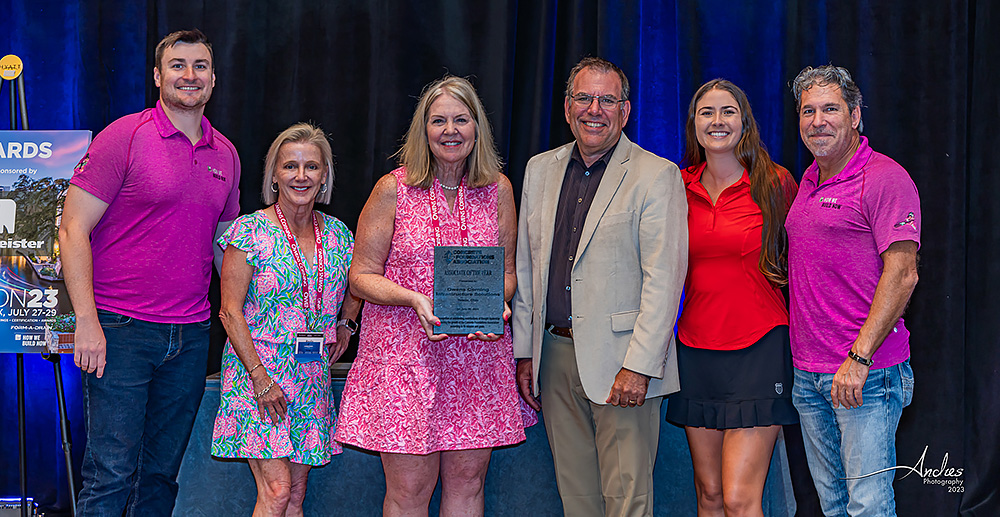 National Associate members are the primary supplier and manufacturing members of the association, which can be found in the CFA’s active Products and Services Directory. The Associate of the Year award honors one of the many National Associate members (a company or an individual) for their commitment to supporting and growing the association. Their efforts are to be recognized in relation to the mission and purpose of the CFA as well as in relation to their presence in the industry. As long as the CFA has been around, there have been numerous manufacturing companies and distributors of high-quality products that have supported association contractors. Beginning in 2015, the CFA Board of Directors has recognized this membership category, honoring such efforts beyond traditional involvement..
The recipient of the 2023 Associate of the Year is Owens Corning Infrastructure Solutions of Toledo, Ohio. Owens Corning has participated thoroughly over the past two years to build the value of Convention and Foundation Contractors’ Night @ The Strat. Their goal has been to make moments with the CFA memorable for all, from the Pink Panther in attendance to the specialty cocktails. Owens Corning has also contributed mightily to major technical efforts the CFA has long advocated for and maintained, such as ACI 332 Residential Code. Through volunteer participation of some of their key staff engineers, Owens Corning has begun to lead the advancing efforts for these codes, thereby advancing the entire industry and not simply focusing on advancement interests of their primary reinforcement product.
“With this award, the Board recognizes the many sponsors and exhibitors that are here,” Baty said. “This association would not be sustainable without our National Associates who continue to do great things behind the scenes as well as bringing a public face to your network. We are proud to therefore recognize the team from Owens Corning for their specific contributions.” Cheryl Whitten represented the Owens Corning in receiving the award, along with Paula Kuntz-Long, Casey Ingle, Jared Honsvick, Jimmy Wear, Savanah Wear, and Jay Pease. “I think the one thing that excites us about this organization is that you guys are excited about innovation,” stated Whitten. “Therefore, we want to invest in you as well as to invest in the CFA.”
Kick-Start Member of the Year: Curtis Cowgill, Nies Foundations
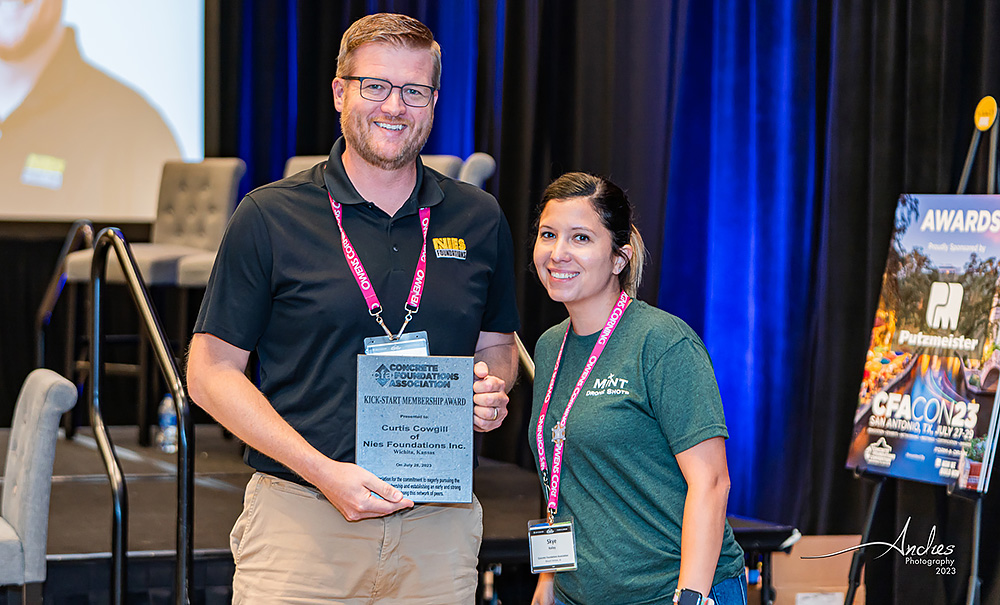 The most valuable part of joining an organization is diving in and finding the networking, interaction, support, and resources beneficial to your company’s goals. In honor of the value of jumping in, the CFA Board of Directors developed a new award in 2015 that honors the intentional exploration of the professional network found in the Concrete Foundations Association. This award goes to a member within the first three years of their participation.
With just a year and a half of membership experience, Curtis Cowgill of Nies Foundations has made a strong commitment to the pursuit of learning the industry and leveraging relationships. Cowgill, who took up company ownership from an older CFA member, has consistently attended the monthly Best Practice Group sessions, has made regular use of the CFA Hotline, and has had consistent communication with CFA staff for a variety of technical solutions and networking interests. Despite CFACON23 in San Antonio being his first CFA conference, he showed his committed to professional development and credentialing by achieving ACI/CFA Certified Residential Foundation Technician status and the Wall Foreman Qualification certificate during World of Concrete. The numerous strategic relationships he has already made with experienced members have helped him see the potential this membership network has to advance his company.
In recognition of Cowgill’s activity as a member, Baty said, “I’ve had a great privilege of supporting [him] over the last couple of years. The best way that I can say to describe him is that he hungers [for] knowledge. He’s here because he thirsts to know what you know. He has a deep desire for his company to grow and to be as successful as each of yours, to continue to drive to tomorrow and to build legacy.”
Golden Tie Membership Development Award: Western Forms
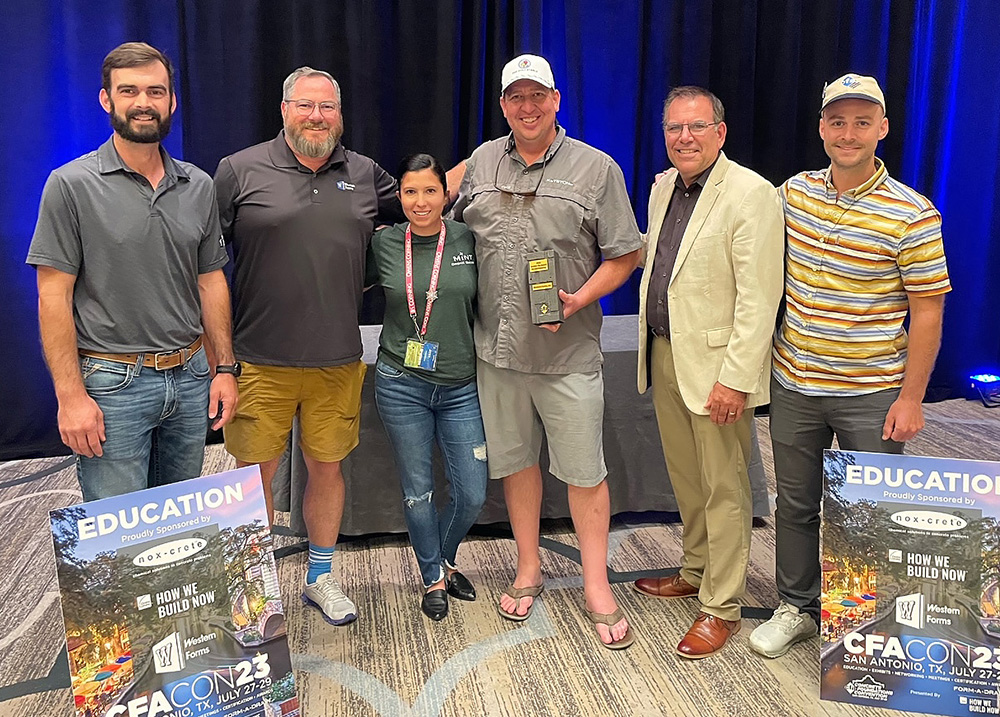 The award luncheon began with a new award recognition as Jason Ells, who is the CFA president and the executive vice president for Custom Concrete of Westfield, Indiana, stepped up to the microphone. “The Golden Tie Award is something we’ve been developing for a while within the Board of Directors,” he said. “We recognize that national associates bring a lot to the table regarding memberships, and contractors want a lot more members so that we can have more peer-to-peer interaction. As much as a rising tide raises all ships, this award recognizes any member that brings membership to the table.”
Western Forms of Kansas City, Missouri, was this year’s, and the very first ever, recipient. Working with CFA staff member Skye Kelley, Western Forms helped put together a membership awareness and growth campaign that netted five new members in early 2023. This effort has helped shape what we see as possible and has helped identify the potential for more companies to engage in their best relationships. Chis Ward, vice president of National Sales, received the award on behalf of the entire team along with Jim Aylward, Evan Resatar, and Tyler Resatar.
In acceptance, Ward recognized both the energy and purpose of the association, and he issued a challenge for the future. “I encourage associates, encourage other contractors to get here. Let’s get more people here, because the education that you get, the stories that you get, the people you meet…it’s amazing. It’s priceless stuff. We need to get more people here and get them involved, because overall, that’s going to be what’s best for the industry and best for all of you. I’m going to challenge all of us. Let’s keep making this thing better.”
Press Release: Coello & Associates Welcomes Youth Apprentice Jonathan Ray to their Team
WAUKESHA, Wisc. (June 3rd, 2024) Coello & Associates Welcomes Youth Apprentice Jonathan Ray to their Team
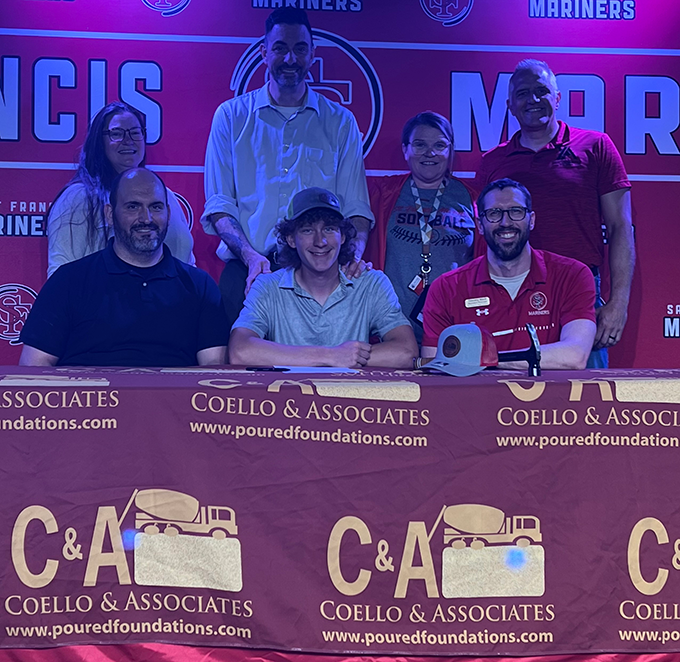 Coello and Associates is excited to welcome Jonathan Ray to their team after his successful participation in the Wisconsin Department of Workforce Development’s Youth Apprenticeship program. Ray, a 2024 graduate of St. Francis High School, is the first apprentice from the program to sign on full-time with Coello and Associates and the company hopes to grow their participation with the program in the future.
“Our involvement with the Wisconsin DWD Youth Apprenticeship program is rather new, but so encouraging”, said Kristin Lee, the Hiring and Training Manager at Coello and Associates. “Last summer was the first for us with students from local high schools. After a year of learning on the job, we are happy to have Jonathan joining us for a full-time career in concrete.”
On Thursday, Kristin Lee and Scott Blaskowski of Coello and Associates held a signing ceremony at St. Francis High School with staff and Jonathan’s family to commemorate the day and officially welcome him.
For more information on Coello and Associates, visit www.pouredfoundations.com. For more information about the Wisconsin Department of Workforce Development’s Youth Apprenticeship Program, visit https://dwd.wisconsin.gov/apprenticeship/ya/.
Coello and Associates is a third-generation premium foundation and flatwork contractor located in Waukesha, Wisconsin.

###
Anna Baird-Luedke
Senior Estimator/Marketing Director
Coello & Associates, Inc.
262-650-1300×1
Direct: 262-290-4893