CFA Summer Convention 2011 – If You Weren’t There, Boy Did You Miss It!
Okay, so it is now the end of summer and the start of the fall construction season rush to winter. Somewhere along the way, there are two types of companies in the CFA that may be looking at this transition differently.
What defines the difference may very well be whether or not you were able to make it to Virginia this summer to network, learn and grow your plans with your CFA peers.
We know there are many hurdles that companies face when considering attendance to this one event each year.
Yet, each year we are inspired by the number of responses that come to us in the weeks that follow Convention, reflecting on just how significant the time spent with peers has already become.
To this end, we want to give you some highlights of the 2011 CFA Annual Convention and to encourage you now to set aside time to make sure you are with us in 2012.
It is certainly an economic challenge but one that has virtually no risk given the proven rewards already identified by so many others.
Networking
Perhaps you’ve heard this component of CFA events and the importance that it carries in the value of your membership. Hearing it is one thing, experiencing it is a completely different story. Convention is THE #1 place for you to develop connections that will carry through the duration of your career. In fact, the schedule at a CFA Summer Convention is built first around the networking and then filled in with the education…it’s that important.
Summer Convention – Virginia kicked off Thursday night atop the mountain at the Adventure Center. Here, those in attendance enjoyed a great meal of traditional barbeque while overlooking the ski slopes and the zip line framed by the tree-filled mountainsides and an ever-changing canopy of light clouds and sun. The evening quickly turned to a variety of challenge and fun with the young and the young of mind taking on the zip line, the tube run and even a mechanical bull. Many more activities were thrown in for good measure as you see here.
Networking at CFA Convention does not stop at the opening event. Once Friday morning’s education comes, all in attendance are immersed in an intensive time of networking we like to call “Speed Networking”, our form of speed dating. During consecutive 2-minute intervals, each person is asked to share briefly about themselves, their company and perhaps a tidbit of interest. This is a time meant to get to know somewhere around 15 people a little better than you knew them before, as a reminder of when you last met them or if we are doing our job correctly, an entirely new person and someone you will seek to reconnect with during a break or a time later in the weekend. This has become one of the featured sessions during our Convention and breaks down a lot of the barriers of attending and getting to know people you can begin counting on immediately.
Education
If networking is the number one focus for the CFA Convention, the education that is offered has to be a strong #2. In the history of this meeting/convention, education has always carried a strong focus. Members have learned about new technology, identified new business practices and come to understand codes and standards more closely. This year was no different and in some ways offered refreshing surprises and confident conformations. The keynotes of the event were a return of highly rated professional and an upcoming rock star of a presenter.
David Whitlock has been a presenter at more than one CFA Convention and again brought his impassioned and powerful approach to employment law. LUZIRS was his focus and in short, he gave each attendee every reason why you have to be careful who you hire and how you terminate employees. His road map for success was very beneficial, extremely sensible and instantly implantable. For those that find difficulty, he remains a constant and accessible resource for your employment needs. A video of his presentation is available for active CFA members by contacting CFA headquarters through jbaty@cfawalls.org or 866-232-9255.
Doug Herbert, of Herbert Construction, stepped up this year to give a presentation on inexpensive ways to market your company and make a difference to your potential customers. This energy- filled and information-packed presentation lasted only an hour but contained more than a halfday worth of tidbits, tricks and hot ideas that have been implemented by his company already with tremendous results. From newsletters to email, construction signs to cheap advertisements, Doug unveiled a wealth of savvy marketing knowledge that even the most experienced marketing experts in our business had not yet thought considered.
The education rolled on and covered some very hot topics in the CFA, namely the insurance captive and the pending regulation enforcement for fall protection by OSHA. On top of all this, networking and education combined in the form of round table discussions offering some great industry thoughts by national associates as well as an opportunity to discuss the insurance captive with our management consultant, Tom Hall. Each day’s education line-up was thought to be among the finest produced by this event and something that more than tipped the scales for each company returning in the future.
Technology
What would a CFA Convention be without product technology? For that matter, what would the CFA be without product technology? ! is year’s event was proudly sponsored The Bilco Company, Schwing America, Concrete Contractor magazine, Irving Equipment, Epro Services and CIFA USA.
They provided the leadership for another great display and networking opportunity with the finest technology offered throughout this association. A wealth of products both new and well known were present for attendees to chew on while they continued enjoying Wintergreen.
Our thanks and yours to should be given to the sponsors as well as to the commitment for attendance from the following companies:
Certainteed Corporation Cosella-Dorken Products Cranes & Equipment DryDog Barriers GMX Inc. Rod Chomper Stego Industries Terry Asphalt Materials Thermomass Tremco Barrier Solutions Wall Ties & Forms Western FormsThrough their confidence and interest in this event, attendees took away great new ideas and inspiration from products perhaps not thought of in awhile.
Award Recognition
Convention is also a time to recognize the achievements for some of the finest concrete work completed throughout the previous year as well as for the commitment to our industry.
The individual recognition given to Mike Hancock as Contractor of the Year and Terry Lavy as this year’s Bob Sawyer Memorial Award recipient were both emotional and heartfelt in the respect they have more than earned. Truly, the chance to applaud the efforts of this year’s project award winners and to express the pride of this association was an opportunity that could not be missed.
Congratulations and award plaques were offered to:
River City Foundations Ekedal Concrete, Inc. Basement Contractors, Inc. Herbert Construction Co. MPW Construction Services Biltmore Insulated Concrete, Inc.With that, the 2011 Summer Convention was drawn to a close.
It was an intense three days of networking, education and industry challenge. Those that made it found they weren’t alone; perhaps were doing better than some; and could do even more to reach beyond current situations and positions.
Above all, those that set aside the hurdles and made it to this year’s Convention affirmed it among the best decisions they’ve made recently and have already circled the calendar to be with us next year at the Grand Traverse Resort, Traverse City, Michigan for the 2012 CFA Annual Summer Convention.
Ergonomic Solutions: Small Changes Make A Big Difference
Construction work is hard work, and construction workers feel the results. In one survey, seven out of ten construction workers from 13 trades reported back pain, and nearly a third went to the doctor for it. Some of the most common injuries in construction are the result of job demands that push the human body beyond its natural limits.
Workers who must often lift, stoop, kneel, twist, grip, stretch, reach overhead, or work in other awkward positions to do a job are at risk of developing a work-related musculoskeletal disorder (WMSD). These can include back problems, carpal tunnel syndrome, tendinitis, rotator cuff tears, sprains, and strains. In fact, the number of back injuries in U.S. construction was 50% higher than the average for all other U.S. industries. Backaches and pain in the shoulders, neck, arms, and hands were the most common symptoms reported by construction workers in one study.
The best way to reduce WMSDs is to use ergonomic principles (or ideas) to improve tools, equipment, materials, or work processes. Simple changes can make a big difference. Using ergonomic ideas to improve tools, equipment, and jobs reduces workers’ contact with those factors that can result in injury.
This article identifies 5 common problems faced by construction workers. For each of these problems, the use of one specific tool can reduce strain on the worker to prevent the development of WMSDs.
PROBLEM #1:
When working at floor or ground level, construction workers often use screw guns and other fastening tools that require stooping, bending, kneeling, or squatting for long periods of time, which may result in fatigue, pain, and injury.
Solution:
Use an auto-feed screw gun with an extension that allows you to stand upright while working. Standing while you work keeps your spine and knees in a neutral position, minimizing strain and muscle fatigue. Many stand-up tools have adjustable lengths to fit workers of different heights. Standup screw guns that automatically feed the screws are available. Powder-actuated fastening tools (PATs) can be used with a stand-up handle provided by the manufacturer.
Approximate Cost:
Stand-up screw guns are $200-400. PAT fastening tools with stand-up handles are $500-700. The PAT handles can also be purchased separately.
PROBLEM #2:
When you hand screed concrete, you work bent over, and you have to use a strong grip to pull the board over the wet concrete. Your arms and shoulders exert a lot of force over and over. Doing this work often or for a long period of time increases your chance of fatigue and pain. It puts major stresses on your back, knees, hands, arms, and shoulders, which may lead to serious muscle or joint injuries.
Solution:
Use a motorized screed (also called a vibratory screed). You can work standing upright, and operating the screed takes much less effort than hand screeding. This type of screed eliminates both screeding in a stooped position and the need for repeated arm and shoulder movements. The motorized screed consists of a blade or plow that floats on the concrete, one or two gasoline motors that vibrate the blade, metal support tubing, and handles to hold when you operate it. It works best for small to medium-sized jobs. You can work standing upright, and operating a motorized screed takes much less effort than hand screeding. Use a vibratory screed powered by a portable (battery-powered) screw gun in basements and other enclosed places to prevent overexposure to carbon monoxide.
Approximate Cost:
A single-engine motorized screed costs around $1,500. A twin-engine model costs around $4,000 and requires two operators.
PROBLEM #3:
Using powder-actuated fastening tools (PATs) for overhead work may lead to serious shoulder, arm and hand injuries. You work with your arms above your shoulders, an awkward position that may cause sore muscles and joints. Sometimes you have to hold this difficult position for a long time, or repeat the position over and over during your shift. This can cause fatigue and eventually lead to armand shoulder problems like bursitis or rotator cuff tendinitis.
Solution:
Use an extension pole for overhead work. ! is is a fixed height or modular pole attached to the powder-actuated tool. Using the extension, the tool is entirely out of your hand. All you have to do is squeeze the trigger. You no longer need to raise your arms above your shoulders and hold them there to work on the ceiling. The extension does it for you. The extension lets you keep a more neutral body posture. Your arms are closer to your body and below your shoulders. This cuts down on the risk of injury to your shoulders, arms, and hands. There is also less recoil shock directed to your shoulders and neck. In addition, you can work on the ground rather than using a ladder, scaffold, or lift.
Approximate Cost:
A modular pole assembly costs from $300-400. But keep in mind, if ladders, scaffolds, or lifts were rented for this work in the past, you will no longer have this cost.
PROBLEM #4:
A regular concrete block can weigh up to 50 pounds, depending onthe size. For masons and mason tenders, lifting and placing blocks can cause fatigue and put strain on the low back, hands, and arms. If you do this work often, you may be at risk of a serious muscle or joint injury. The risk depends on how many units you handle, how heavy they are, how often you work with them, how low they are stored, and how high you have to reach to place them on the course. You have even more risk if you twist your body when lifting or holding blocks, or if you lift or hold them with one hand.
Solution:
Use lightweight concrete block. Units weigh 30-40% less than regular block without sacrificing strength or performance. Working with lightweight block can improve your output during the day and still decrease the total weight you lift. Less weight means you will be less tired and there will be less stress on your back, hands, and arms.
Approximate Cost:
Lightweight block costs slightly more per unit than standard block. However, since masons and mason tenders can work faster and better, there should be a reduction in labor cost. This can account for up to 80% of the finished wall cost. Shipping and handling costs may be lower as well.
Problem #5
Cutting sheet metal with snips takes a lot of hand force. You often need to work with your wrist in an awkward position. If you do this work often or for long periods of time, you may experience hand or wrist pain. Eventually you may develop a serious injury. Using the wrong snip for the job increases your chance of injury. Manufacturers produce different snips for specific tasks and specific workers.
Solution
Use the right size and type of snip. New types of snips are available that may fit your hand better, keep your wrist straighter, and require less hand force. Any snip you use should be sharp and tight. Do not use dull or damaged snips. Where necessary use compound snips, which provide much more power. Some compound snips will increase your hand strength by 12 times. Improvements found in the newer snips include less space between the handles, soft grips and curved handles. Using a curved handle can help keep your wrist straight for certain tasks. A soft grip lowers the pressure on your hand and fingers. When there is less space between handles, you may be able to get a better grip on the tool. An upright snip can help keep your wrist straighter when working in confined areas or overhead.
Approximate Cost
The best snip for the job should not cost much more than other snips. Newer snips are often between $10-40.
******
This article was adapted from a National Institute of Occupational Safety and Health publication, Simple Solutions: Ergonomics for Construction Workers (Albers & Estill, 2007).
For more information and to view the complete publication, please visit http://www.cdc.gov/niosh/topics/construction/.
WELCOME YOUR 2011 BOARD MEMBERS
Each year at Annual Meeting, according to your by-laws, the assembled membership is presented a slate of candidates to the Board of Directors. Board members serve three-year terms under the present by-laws and may be re-elected to serve until such time that they feel it is in their best interest to step away and have new energy added to the Board.
This year, we are pleased to announce that the nomination and election process has once again brought forward a mix of tradition and experience combined with energy for the future of the CFA. Joining the CFA Board for their first terms are Mary Wilson of Michel Concrete Construction, Mike Reed of Reed Concrete Work and James Dean of Beran Concrete.
Returning experience to another term are Tom Brown of TJ Construction and Van Smith of Smith Brothers Concrete. A complete list of the CFA Board of Directors can be found online at www.cfawalls.org in the About the CFA section. Following is more information profiling this year’s new members to the Board.
MARY WILSON
MICHEL CONCRETE CONSTRUCTION
– Springfield, Illinois
Michel Concrete Construction is a diverse concrete company from the heartland of America owned by company president and CEO, Mary Wilson. Their markets include residential, agricultural and commercial work with a distribution of 50% commercial, 25% residential and 25% agricultural. Extensive equipment ownership, field crew expertise and relationships with customers in all three markets allow it to keep those numbers fluid year to year.
“One of our company’s strongest assets is that we have been well diversified in residential, commercial and agricultural markets for a long time,” Mary Wilson says. “When the residential market dropped we didn’t have to lower our prices, we just shifted our focus toward the commercial and agricultural work.”
Michel Concrete provides a complete foundation package with no exceptions. Their product includes a turnkey solution of concrete foundations, flatwork, demo and excavation, stone placement, backfill and waterproo# ng to give the customer the best solution for performance.
Mary has already shown dedication to the industry from a networking perspective and values it highly in her business goals. Their company maintains membership in CFA, ASCC, NAHB and ACI, where she serves on the ACI 332 Committee for Residential Concrete.
When asked about her goals for her time on the CFA Board of Directors, Mary stated: “It is important for me to find ways of helping our industry identify the critical pressures that we face and finding solutions that can be delivered from a source much greater than our own. This is where the CFA has to be identified as the leader and be viewed as leading companies. Whether it is fall protection, insurance, insulation performance or any number of areas of influence, it is among my goals to apply whatever knowledge and passion I have to deliver answers that in turn also strengthen me as a business owner and my company as a leader in our markets.” You can read more about Mary and Michel Concrete in the great feature article from Concrete Contractor magazine (June/July 2011).
Company Summary:
Michel Concrete Construction, Inc., Springfield, Ill.
President & CEO: Mary Wilson
Founded: 2008 Employees: 60
Affiliations: CFA, ASCC, ACI, NAHB
Services offered: Concrete foundations, flatwork, demo and excavation, stone placement, waterproofing and backfill.
Key products and equipment: Cat earthmoving equipment, including three skid steers and three excavators; Sterling dump trucks; concrete pumps by Putzmeister and Schwing; Putzmeister Telebelt; form trucks by Cranes & Equipment; aluminum forms from Western Forms and Precise Forms; Tremco water proofing systems; ExakTime JobClock; ComputerEase construction accounting and project management software; iPhones; Spectra Precision total stations; BlueBeam PDF reader.
MIKE REED
REED CONCRETE WORK
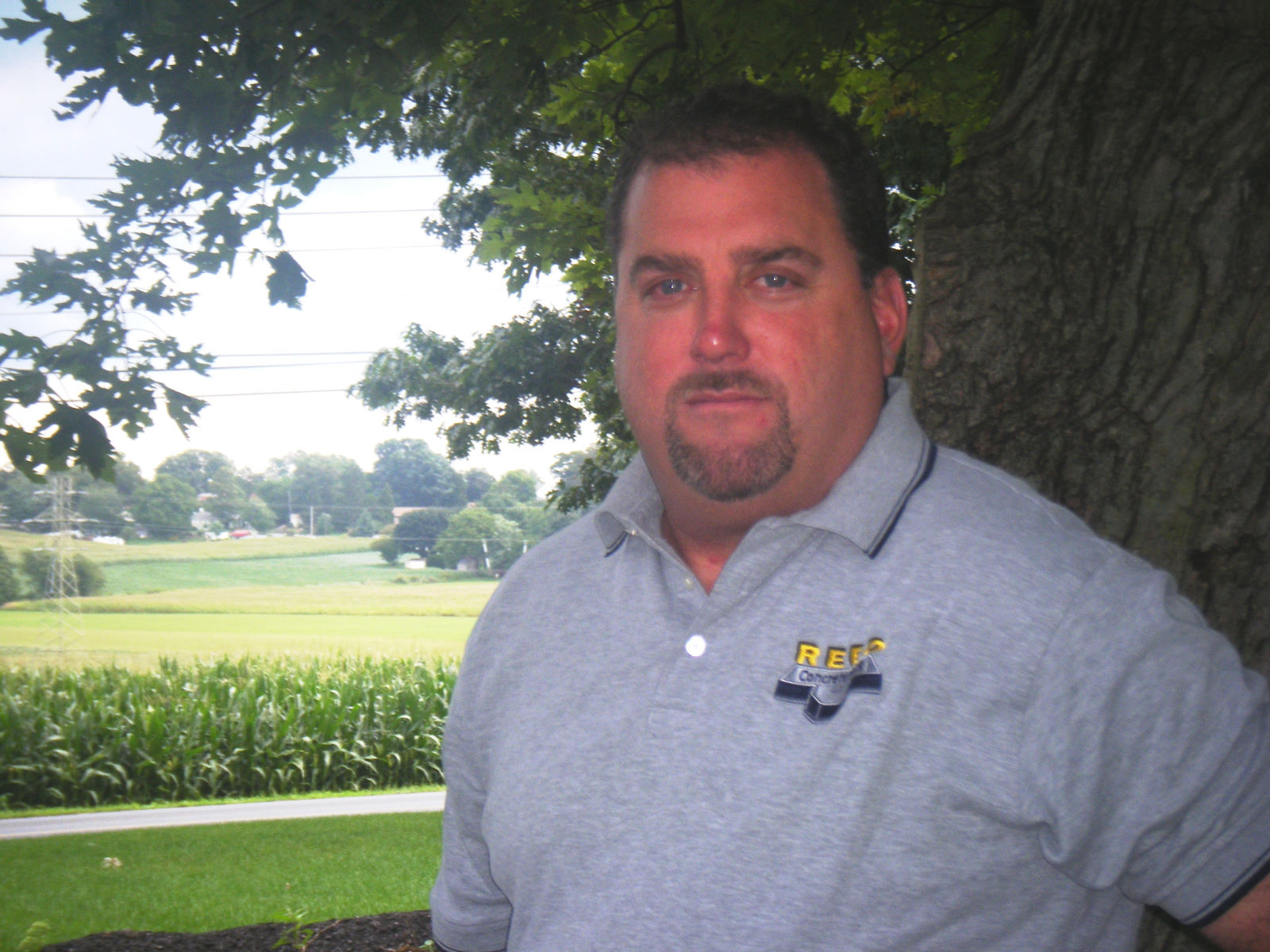
– Ephrata, Pennsylvania
Mike Reed started working in the concrete foundation industry during summer breaks from 1983 to 1989. Following his graduation from Millersville University in 1989 with a B.S. degree in Business Administration, he entered the industry full time.
Reed Concrete Work, LLC was started in 1999 and currently stands with 20 employees providing a variety of products and support services for both residential and commercial concrete work. Their team includes; Footing/Wall Workers (12), Heavy Equipment Operators (3), Flatwork Finishers (3), Office Administrator (1) and Truck Driver/Yard Worker (1). Reed Concrete is currently operating with annual sales around $3 million with about 200 units produced in a price range from $5,000 to $100,000. They have defined and maintained a service radius of about 70 miles from Lancaster, PA.
Mike and his family enjoy the outdoors and athletics, living a very active and rewarding life style. His family includes wife Lisa and daughters Kaitlin, Kelsey, and Kenzie.
The position on the CFA Board adds to Mike’s current service commitments on two local township boards. He is secretary for the Sewer Authority board in the township where the company is located and serves on Sewer/Water Authority board in the township of their residence. Mike is also the chairman of a local “Lean Council”, which is a contractor consortium meeting monthly to identify waste in the construction industry.
When asked about his purpose and goals for service on the CFA Board, Mike states: “I would like to contribute to the CFA board my practical knowledge of the concrete industry and in depth field experience. One of my goals is to increase the number of certified technicians we have in the industry. If possible, in some capacity I would like to help educate/train individuals to become certified. Other than that I would just like to participate with the group of outstanding individuals already on the board to address an resolve the issues facing our industry”.
Company Summary:
Reed Concrete Work, LLC, Ephrata, Pennsylvania
President: Michael S. Reed
Founded: 1999 Employees: 20
Affliations: CFA, PA Motor Truck Association and the PA Concrete Promotion Council
Services offered:
Residential: Concrete foundations, flatwork, excavation, and backfill.
Commercial: Structural walls, flatwork and site excavation
Key products and equipment: Wall Ties forms and accessories; Basement Systems products for sump pumps and drainage systems; Joint-mate product for control joints; Deco products for damp-proofing and Delta MS system for water-proofing. Heavy equipment includes Case and Takeuchie Track-hoes, Cat Track-loader and back-hoe and Bobcat Skidloaders .
JAMES DEAN
BERAN CONCRETE
– Wichita, Kansas
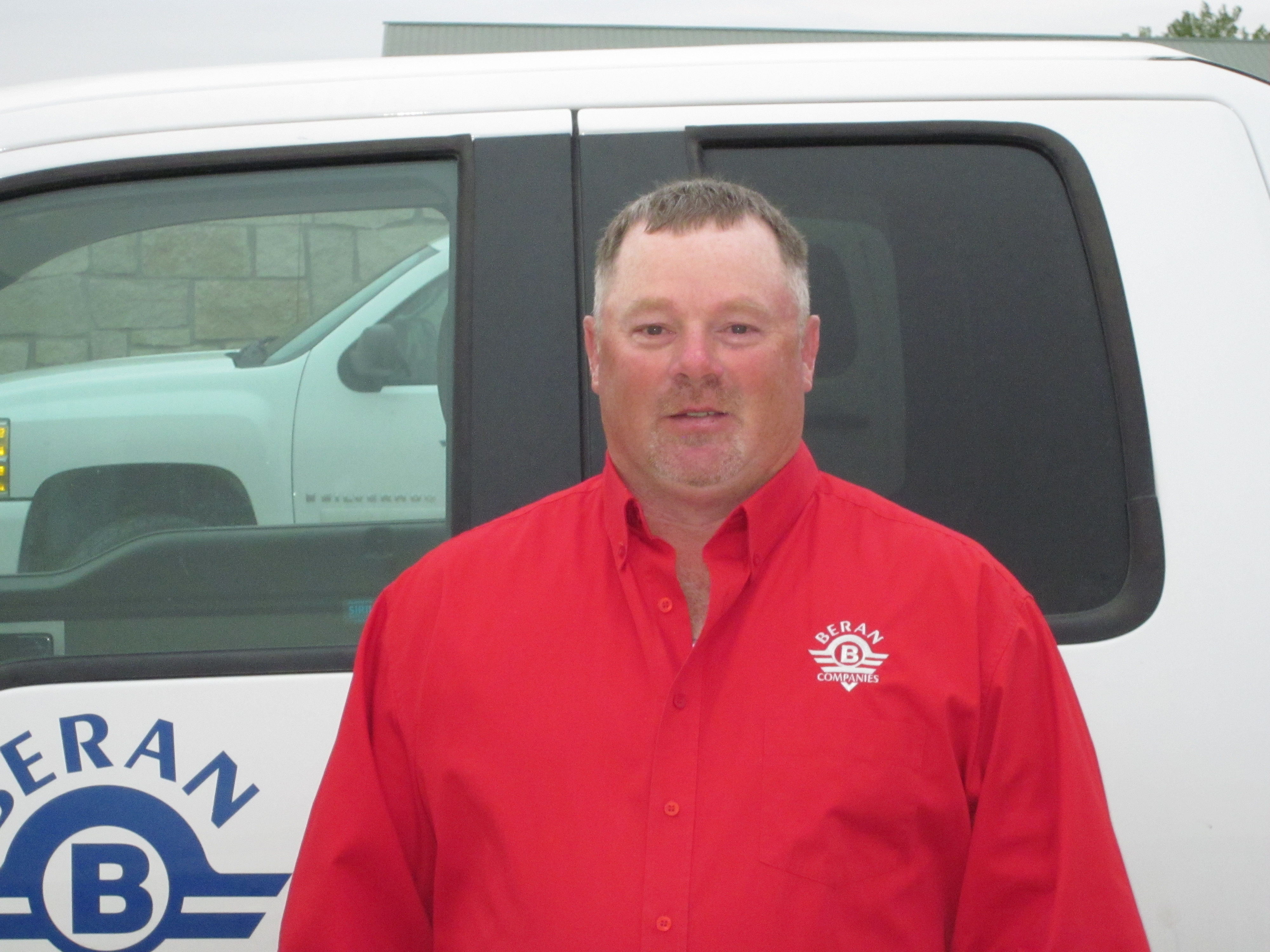
James Dean is the longtime wall foreman for Beran Concrete from Wichita, Kansas and works closely with Brock Beran (President), James MCnaul (VP Estimator and General Manager) and Chris Roberts (Estimator and Project Manager). He has participated in CFA events both during the World of Concrete and Summer Conventions.
Beran Concrete began in Wichita, Kansas as a four man team. Nearly 30 years later it has become one of the fastest growing turnkey concrete construction companies in the state. With over 100 full time employees, Beran concrete has gone from local small jobs to include commercial and residential work in a wide geographic area. We are proud to announce the Launch of our second Office in Kansas City the joining of ICF Solutions, and Beran Excavating to the Beran Concrete team.
As a company, Beran Concrete prides themselves with the quality and dedication of getting the job done right and they are devoted to leading edge concrete construction. Customer Service is and always will be their top priority.
Beran concrete also takes pride in their commitment to utilize cutting edge technology and equipment. They believe that project quality is greatly improved when quality equipment is used in conjunction with well-trained personnel and top quality materials. Brock and Ken Beran had this to say when asked about their corporate goal in accepting the nomination and election to service on the CFA Board: “Our goal while serving on the board of directors for the CFA is to establish relationships that can further our growth in an industry that is building for tomorrow. We also hope that sharing our experiences with other members will aid in their growth and help the CFA to grow and prosper”.
Company Summary:
Beran Concrete, Inc., Wichita, Kan.
Owner/CEO: Ken Beran President: Brock Beran
Founded: 1980 Employees: 100+
Services offered: Tilt-Up construction, Insulated Concrete Forming, Large and Structural Flatwork, Elevated Slabs (Reinforced and Post-tensioned)
Along with the welcoming of the individuals new to the Board this year, we ask you to join us in extending our heartfelt gratitude and appreciation for the years of commitment provided by Amanda Morris (9 years), Lance Jordan (3 years) and Jerry Hoyer (3 years).
Through their leadership, the CFA has maintained a tight approach to this recession and has brought forth the next generation of membership benefits and programs to keep this Association running smoothly, successfully and with a vision of growth.
If you have an interest in becoming more engrained to the culture of the CFA and serving in an official capacity, there are many committees that can start this effort. Through your participation in these conferences, meetings and events, you will gain a greater sense of the dedication found throughout the CFA and a finer appreciation for the power of networking that exists within the CFA and awaits you.
TOUGH DECISIONS TO PULL OUR BUSINESSES THROUGH
The CFA Summer Meeting has always been my favorite association event and our recent gathering inWintergreen VA was no exception. The pleasant temperatures and inviting surroundings were a perfect setting for hearing a great lineup of speakers and renewing friendships with fellow contractors and suppliers. Thanks to all of you who made this a great event to attend.
My mind drifts back to my first Summer Meeting; 1989 in St Louis, Mo. In business for just a year, I first heard of the meeting from the folks at Wall Ties and Forms and decided to attend. I recall being encouraged to bring along and share our advertising ideas. At the time, I was placing an 8” square block of limestone, engraved with the year and our company name, in every basement wall to serve as a cornerstone. It was one of the ways we promoted our work and so I toted a 15-pound sample stone to the meeting. It was kind of a crazy thing to do but I felt the other attendees welcomed me into their midst nonetheless. I even ended up being interviewed for an article in the Association’s magazine. In a number of ways it was a risky thing to do but I’m glad I did.
We all know up close and personal what difficult times we are in. It was hard to hear a few fellow members wonder aloud if they would still be in business a year from now. Past president Terry Lavy, in attendance to be presented with the CFA’s highest honor, the Bob Sawyer award, is no longer in the concrete foundation business. He and his family ran a cutting edge company but it just could not survive. These are tough realities that we have to grapple with. We are taught that to be successful we must believe that failure is not an option. But as author John Busacker says in his book, ‘Fully Engaged,’
“ This may be true in successfully landing a space shuttle, or I suppose in skydiving, but it is perfectly wrong in leading a fully engaged life. In fact, failure is not only an option- it’s a prerequisite….So we might as well fail faster in order to engage sooner. In other words, step out. Risk falling flat. Take a leap of faith.”
Terry has done just that. He has courageously dealt with his situation and has started another business in the conservation field, an area he was already passionate about. Let us all follow his example as we wrestle with the tough decisions it will take to pull our businesses through these times we are in.
Tim Parrish, CFA President
Cornerstone Foundations
Another CFA Summer Convention is in the Books
The venue was great, the food good and plentiful, and the views were tremendous. A special thank you is extended to all of you who took the time (and spent the money) to attend this year’s event. Feedback from those in attendance was that this was one of the best values and events we have ever held. Several presentations gave you information that could return to you the cost of attending several times over. Evening events were held on-site and included family and network oriented events (see photos in this issue). Listed below are some of the highlights.
Speed networking was repeated this year and will be expanded next year with a little more order and structure. Many new relationships and opportunities were created during the brief 2-3 minute intervals where you met new faces in your industry.
Doug Staebler returned this year and led a lively discussion that ranged from big developers to profit margins and many topics in between. There was good audience participation which demonstrated that we are all on the same page in terms of learning how to deal with the “big builders” and others who seek go make it nearly impossible to make a profit in our business. Several strategies were discussed.
David Whitlock gave another entertaining and informative presentation entitled “LUZIRS” (Lazy Uninspired Zero-Interest Rude Slackers) – How to spot them; How to avoid them; and, How to rid your company of them. David is a contributor to content in several industry publications and this was his third presentation at one of our summer meetings (the others being “Immigration Law” and “Employees as Subcontractors”). I know that he has saved several of our members thousands of dollars in fines and non-compliance issues with information from his presentations.
We included small group round table discussions this year with a twist. Several tables included our exhibitors as moderators allowing them to make more in-depth presentations about topics in which they had expertise. We also moved the session leader instead of the participants to keep them running smoothly and effciently.
A panel discussion covered the topic of fall protection. If you haven’t been party to this discussion and its implications you had better bring yourself up-to-speed in a hurry. OSHA has rescinded the exemption we enjoyed as an industry that allowed our workers to work on top of walls and without scaffolding. All of that is about to change (you have until September 15 for final implementation). Our only recourse appears to be a job speci# c alternate fall protection plan. CFA and several of its members are working on a prototype for members to adapt. Contact Jim Baty (jbaty@cfawalls.org) for more information.
Doug Herbert of Herbert Construction gave a great marketing presentation. It focused on low-cost alternatives and options to increase the visibility and effectiveness of your marketing efforts. As you might expect, the Internet plays a big part in getting your message out but there are simple and effective techniques that you may be overlooking. Doug will be back next year sharing more of his ideas and tips. He even got the endorsement from a Hollywood movie star. You can hear it by going to www. cfawalls.org/download/arnold_cfa. nps.
We added several more participants in the CFA Insurance Captive. Our consultants, Jay Odice and Tom Hall were present to host one of the round tables and answer detailed questions from prospective participants. I have said this before, but you owe it to you and your company to find out about this opportunity. It is the most important bene# t we have ever put before the members and it will return you many times the cost of membership in the CFA in dollars and productivity. Even if you haven’t had an accident in the past ten years and your insurance company is writing you big checks at the end of the year, you are still paying far too much for far too little coverage. Check it out. Tom and Jay will be making several trips in the next few months to explain the concept to potential participants. Call me if you have interest or would like to schedule a meeting.
Next year we will be at the Grand Traverse Resort in Traverse City Michigan. The dates are July 26-28. It will be the best event ever. See you there.
Ed Sauter, Executive Director, CFA
Industry Loses Leader: Charles Engelken
An extraordinary journey on this earth came to a close with the passing of Charles Orval Engelken, age 48, of Overland Park, KS on Saturday, September 3, 2011. He 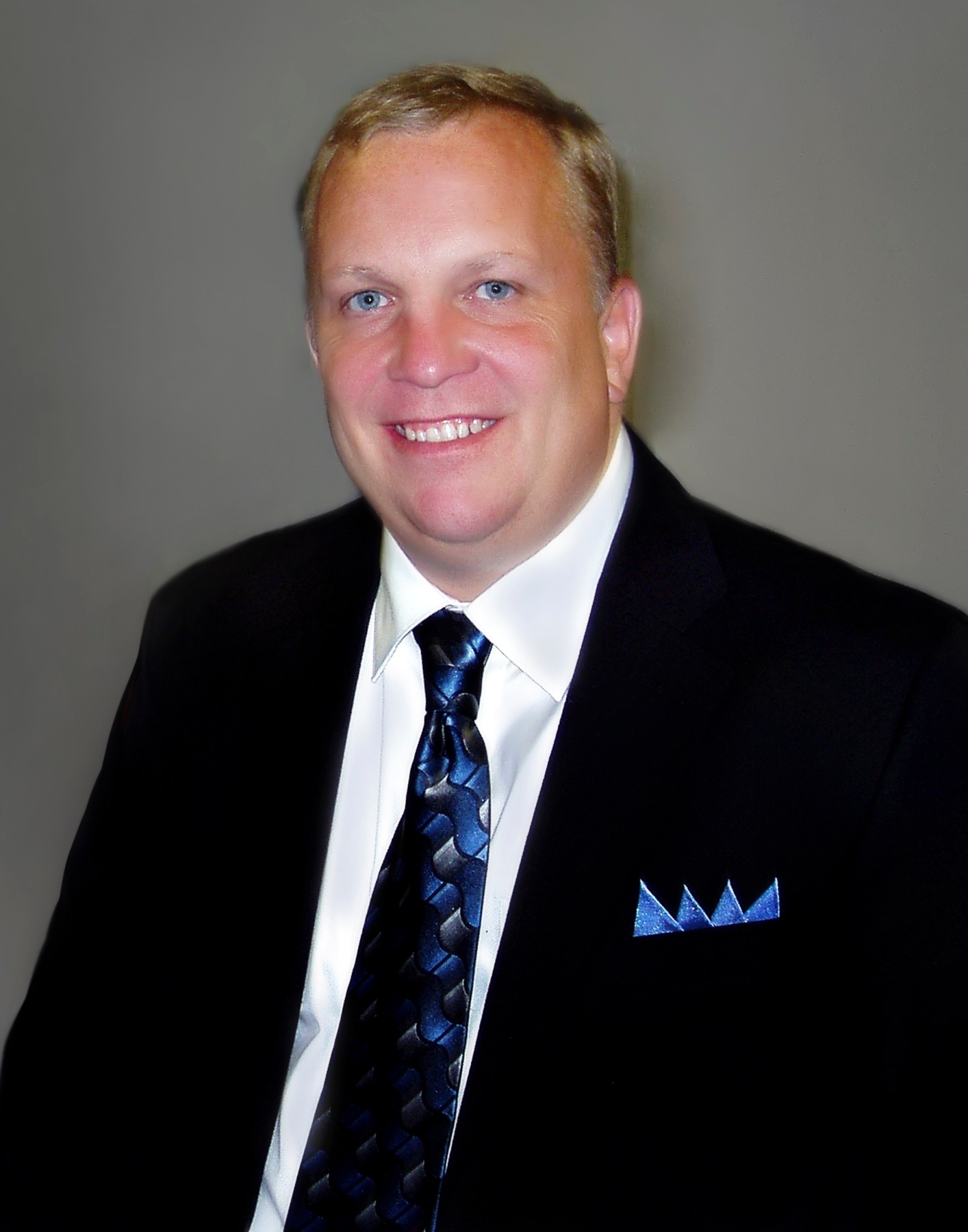 was born on July 14, 1963 in Kansas City, KS, the son of Verna Jean (Lewis) and Orval Charles “Skeeter” Engelken.
Charles was a 1981 graduate of Center High School and earned a B.A. in Business Administration and Management at Webster University. President and partner of Wall-Ties & Forms, Inc., former board member and active supporter of the Concrete Foundations Association, and managing partner of several successful businesses, he started his career at Ford Credit. Charles was an exceptional entrepreneur and an avid traveler who visited nearly 100 countries through work and with his family. He always had a colorful tale to tell of his amazing worldwide adventures. His love of international travel began after high school when he joined the Marines, proudly serving as a Marine Security Guard at U.S. Embassies in Paris, France and Zagreb, Yugoslavia.
Charles was a generous, selfless individual who placed the interests of others above his own. His joyous personality and passion for life were exceeded only by hislove and devotion for his cherished wife and children. He married Pamela Cooke on January 30, 1988 in Overland Park, KS. In addition to Pam, survivors include his beloved son, Michael Engelken; adored daughter, Jaimie Engelken; brother, Carl and his wife, Michelle Engelken; mother, Verna Jean Engelken and numerous nieces and nephews. He was preceded in death by his father.
Ed Sauter, Executive Director of the CFA said: “Charles and Wall Ties were strong partners and devoted advocates of the Concrete Foundations Association. Every time we asked for help, it was given. They were constantly putting forth ideas to help the Association grow and to help our members. His presence at meetings and events will be sorely missed and his impact on the industry will be lasting.”
A celebration of Charles’s life was held on Friday, September 23, 2011 with burial at Mount Moriah Cemetery. Memorial contributions honoring Charles’s good works in his industry may be made to the Concrete Foundations Association Education and Research Foundation, 113 First St. NW, Mount Vernon, IA 52314 or 319-895-6940.
John Crowe Appointed President and CEO of Saint-Globain and Certainteed Corporations
Crowe to continue focus on energy efficiency and sustainability
Saint-Gobain, the world’s largest building materials company, has announced the appointment of John Crowe as President and CEO of both Saint-Gobain Corporation (Saint-Gobain’s North American holding company) and CertainTeed Corporation (Saint-Gobain’s largest North American subsidiary).
Crowe takes on these two roles effective September 1. As President and CEO of Saint-Gobain Corporation, Crowe will act as Saint-Gobain’s representative in North America, overseeing the company’s North American businesses and chairing the company’s Executive Committee. In this role, he succeeds Gilles Colas, who will return to Saint-Gobain’s Paris headquarters as Senior Vice President in charge of global strategic developments.
In addition, Crowe will assume operational responsibility for CertainTeed, following in the footsteps of Peter Dachowski, who will retire as President and CEO on August 31 after 35 years of service in a wide variety of senior leadership roles at Saint-Gobain and CertainTeed.
“With more than 30 years of experience in Saint-Gobain’s innovative materials businesses, John is an exceptional leader with strong operational skills,” said Pierre-André de Chalendar, Chairman and CEO of Saint-Gobain. “His appointment underscores Saint-Gobain’s focus on leveraging its innovation and technical expertise to develop products and solutions that change the way we think about built environments. John will help CertainTeed and other Saint-Gobain businesses in North America develop innovative materials that advance the way we build today in order to meet the challenges of tomorrow.”
Crowe sees his main role as continuing to drive innovation throughout the company.
“CertainTeed has been a leader in the construction industry for over one hundred years – Saint-Gobain for over three centuries – but we have never seen such a rapid pace of change, or so many exciting new building technologies,” said Crowe.
According to Crowe, Saint-Gobain is investing in research and innovation across all its businesses to challenge what we can expect from our buildings in order to improve the lives of those who occupy them – making them more efficient, durable, sustainable and healthy. Crowe notes that this goal is the inspiration behind every Saint-Gobain product.
“Within CertainTeed, we’ve already developed sustainable building products that reduce noise, improve air quality, save energy and more,” said Crowe. “Within the broader Saint-Gobain family of companies, we’re developing innovative solutions such as substrates for LED and OLED sustainable lighting, as well as intelligent, energy-efficient glass that automatically switches from clear to tinted. We’re also investing strongly in solar power and other technologies that will reduce energy costs in the future. My role is to help keep Saint-Gobain and CertainTeed at the forefront of this wave of innovation, while continuing to serve our customers with the high-quality, sustainable building products they need today.”
Crowe most recently served as President of Saint-Gobain’s global abrasives business, with responsibility for more than 13,000 employees and 75 manufacturing facilities in 24 countries. For 30 years, he has served in a wide range of leadership positions within Saint-Gobain group, including President of the Saint-Gobain Performance Plastics and Saint-Gobain Crystals businesses.
He holds a BS in chemical engineering from Clarkson University (Potsdam, New York) and an MBA from Boston College. Crowe has also completed Columbia University’s executive program in business administration.
Liv-Space Building Concepts
The Boman Kemp Companies in Ogden, Utah have been involved with the manufacturing and nationwide distribution of basement egress window systems for over 30 years. IRC 2009 R-310, calls out for a means of egress from every basement. Boman Kemp is the only basement window manufacturer to earn an ESR from the International Code Council: ESR #1856
In addition to meeting code requirements, the Boman Kemp window systems offer
natural light and ventilation, to the lower level of the home. Enhancing the look of
the basement, by bringing in plenty of natural light and ventilation, the basement is transformed into a very comfortable and affordable living space. Additionally, the earth’s geothermal benefits are emphasized with half of the home in the ground. ! ese factors lay the groundwork for the Liv-Space concept, which contains enormous merit and opportunity.
Kevin Durrett, Durrett Built Homes of Louisville, has been using the window for years now. “I really like the natural light and ventilation the windows bring down to the lower level. I know I’m meeting the egress code requirements with the Boman Kemp system, and have installed several in this years’ Homearama, to provide a comfortable living space in the lower level.”
Positioned in the market as a leader and innovator, Boman Kemp developed its’ Liv-Space concept. To illustrate the benefits of large basement windows, Boman Kemp developed 3D Revit plans to show how the windows work and enhance the lower level of the home.
Large open stairways invite the inhabitants to the Liv-Space level. Creative air designs, which utilize the constant temperature of the earth, aid the homes heating and cooling system by more than 50%. Tall 9’ walls, in the Liv-Space level, 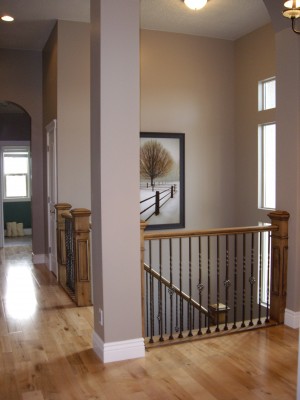 eliminate the typical “basement feeling” by allowing large ceiling heights, along with plenty of natural light.
Chris Carey Builders, of Prospect, has installed numerous window systems in his homes. “The ease, quality, and durability of the windows allow for quality living space in the lower level. Natural light and ventilation create a very comfortable space for my clients.”
Rick Buttorff, with the Buttorff Companies, of Pee Wee Valley was one of the founding builders for the very popular Norton Commons, in Louisville. “Many of the homes in this year’s Homearama are built in a Liv-Space fashion, by totally utilizing the basement level. With one level of the home in the ground, constant earth temperature aids in the heating and cooling of the home. The thermal mass of the earth helps the entire building envelope, which further reducing the HERS score and consequently saves the homeowner on monthly utility bills.”
A combination of all the components of Liv-Space, coupled with the introduction of geothermal technology, brings the HERS rating down to the low 30’s, in an affordable, and practical home designed for the future. Boman Kemp has brought this energy saving concept together for all buyers, especially the first time homebuyer. Today’s buyer is looking for long-term energy savings and practicality, yet their home purchase price needs to remain under $200,000. Smart homebuyers will realize an average of 1,800 to 2,000 square feet of completely finished living space when they include windows in their basements. Boman Kemp and Liv-Space bring it all together.
For more information about Boman Kemp, locations, dealers, or to contact us please go to www.boman-kemp.com or www.liv-space.com or call 1-800-733-7886
CFA Announces Availability of Alternate Fall Protection Plan for Members
CFA Announces Availability of Alternate Fall Protection Plan for Members
Alternate Fall Protection Plan is a collaborative effort of CFA staff and key CFA member contractors
Mt. Vernon, Iowa — The Concrete Foundations Association (CFA) announced today that member companies now have access to a model or draft alternate fall protection plan conforming to the requirements of OSHA 1926.502(k). This document details the recommended plan for companies delivering concrete foundations for projects identified as “residential construction” by OSHA’s recently implemented STD 03-11-002.
“The Alternate Fall Protection Plan is a collaborative effort of CFA staff and key CFA member contractors with a passion for providing solutions not just for their company but for the greater good of all companies in the network,” states Ed Sauter, CFA Executive Director. “The sole purpose for this draft plan is to pass along the efforts of a few to benefit the many, a trademark of many similar efforts by CFA members.”
Over the course of about six months, CFA members have been consumed by the looming implementation of the latest OSHA standard for fall protection. This standard is a dramatic change of policy over recent years, no longer exempting those in the residential construction industry from fall protection measures. Still, there are problems with the application of STD 03-11-002 to our industry. The first is that given the change of definition for “residential concrete”, many of the projects that professional wall contractors become involved in are not classified under this form of direction. The second major problem is found in the ignorance this standard has for below grade foundation construction.
It is due in large part to this ignorance of process and critical issues that has led CFA members to contribute tireless energy and exhaustive efforts attempting to identify conventional fall protection measures that can be applied to or adapted to the formwork and concrete placement process for concrete foundation walls. In the end, each method of conventional fall protection was found to present substantially greater hazard to workers than the traditional method of working along the top of wall condition.
“In Region VII, here in Nebraska, we’ve been part of a concerted effort to determine an effective resolution of the requirements for STD 03-11-002 and thus far we’ve seen little recognition for the issues on foundation construction,” states Lance Jordan, Vice President for Stephens & Smith Construction and former CFA Board member. “We’ve developed a plan for applying scaffolding solutions and developed an alternative fall protection plan that institutes a safety monitor. Comparing the two we’ve found the ergonomic challenges alone experienced in the scaffolding solution present greater risk to our workforce. This is why we are working with senators, OSHA inspectors and other entities to help recognize the value of this alternative fall protection approach.”
An alternate fall protection plan is a measure of providing safety for workers in compliance with OSHA 1926.502(k). The CFA’s draft plan details the necessary training, documentation, certification and implementation of the process to identify how a contractor can provide compliance with the OSHA standard within their more familiar process that maintains and even improves the current safety performance of the foundation industry.
“We’ve been surveying our members for the past five years on work-related job accidents,” states Dan Bromley of ABI Corporation in Lee’s Summit, Missouri, current Past President for the CFA. “We’ve found in nearly 50,000 basement foundations poured in the last five years by the most recent survey, only 23 accidents occurred where a worker fell from a wall. Of those accidents, only 10 of those resulted in lost work time and only 3 resulted in hospitalization with zero resulting in long-term disability or death. Our goal is to continue building on these safety results by committing more to training and certifying of the workforce to do the work required for quality concrete foundations.”
Mary Wilson of Michel Concrete in Springfield, Illinois and a current CFA Board Member was instrumental in developing the supporting documentation for the refuting evidence on applying conventional fall protection measures. “From March to June, 2010 we completed a feasibility study on the application of scaffold systems to removable foundation systems to determine the length of exposure to work hazards. Through this study, we determined that there is an equivalent time exposure during the installation of scaffold systems to that of the wall construction itself. We also then determined that our workforce was exposed to increased hazards with the scaffold systems in place; the quality of the wall construction was more difficult to maintain and the installation of the scaffold systems introduced new work-related fatigue issues that were not present during our traditional process. Once we completed this study and looked at the other conventional systems out there, we turned to the CFA to begin work on a plan that would maintain our current skill set and knowledge base but apply it to our workers in a more formalized process with even greater goals for success”
The CFA AFPP is considered a performance-based solution to providing fall protection. As such, the CFA is implementing a training program for its members to understand the details of this alternative measure and assisting them in preparing to achieve greater safety performance through this implementation of the draft as their own AFPP. A series of webinars is planned for this fall to allow members to get to know the background for the new OSHA standard, the development of the AFPP and the critical steps necessary to implement the plan in their company.
If you would like more information, please contact Jim Baty at the CFA. Phone (319) 895-6940 or jbaty@cfawalls.org.
The CFA is a voluntary, nonprofit association that brings together concrete contractors and professionals nationwide to improve the quality of cast-in-place concrete walls and foundations. The CFA provides promotional materials, educational seminars, and networking opportunities to its members and the industry. CFA also works on behalf of its members and the entire industry to develop support and influence code bodies. For more information about CFA, please visit www.cfawalls.org or call 866-CFA-WALL (232-9255).
Lavy Receives Bob Sawyer Memorial Award
2011, August 6th – Wintergreen, Virginia
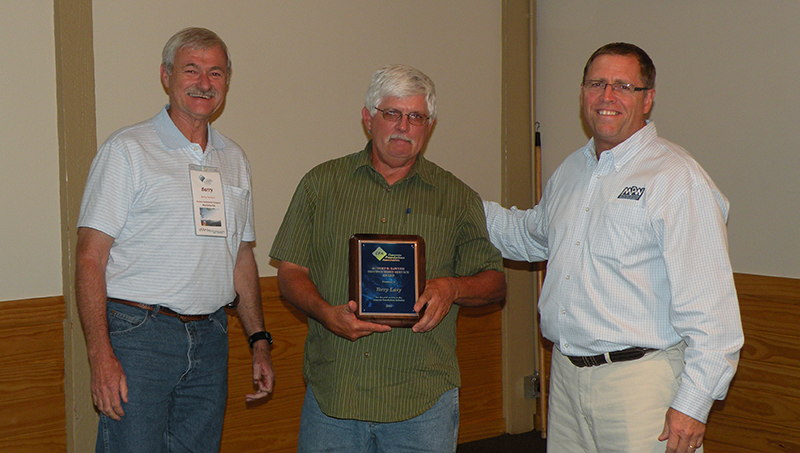
During this year’s Summer Convention in Wintergreen, Virginia, the CFA Board of Directors elected to honor Terry Lavy, formerly of Lavy Concrete in Piqua, Ohio with the Robert D. Sawyer Distinguished Service Award. Lavy was awarded this prestigious honor during the annual awards luncheon on Saturday afternoon by his long time friends and past two Sawyer recipients, Barry Herbert of Herbert Construction in Atlanta, Georgia, and Scott Smith of MPW Construction Services in Wellington, Ohio.
Herbert began the introduction of this year’s recognition stating: “The purpose of the Robert D. Sawyer Distinguished Service Award is to honor an individual for outstanding service and commitment to the CFA and the concrete foundation industry. It is the CFA’s highest honor. Unlike other awards it isn’t given out on a regular basis. It is awarded only occasionally and only to those individuals who over and over have given their time and effort to promote the poured wall industry and the CFA.”
Herbert went on to acknowledge that the CFA has many other awards for the many fine examples of performance and quality. “We have awards for being a successful contractor, or for having a great or unique project. But the Bob Sawyer award is a special award. As I said before it’s awarded for an individual’s service to the CFA and to the foundation industry.”
One does not have to look very far to see the commitment and influence that Terry has had on the CFA during the years of his membership,” states Ed Sauter, CFA Executive Director. “He has served as CFA President, a tireless Board Member and chairman of the Cold Weather Research Task Group. He has been involved in membership, promotions, and technical development. He has also given of his time as an educator giving many industry lectures throughout Ohio and surrounding states on cold weather, foundation fundamentals and other CFA knowledge base topics.”
Terry was truly dedicated to development in his CFA membership. He saw early on the parallel value that came from helping others in turn helping his company. Examples of this were his involvement in helping to draft the first two CFA Standards, program content for many Summer Conventions, the CFA Cold Weather initiative and significant ACI works including the ACI 332 Standard and ACI 306 Cold Weather Guidelines.
Herbert went on in his introduction stating: “I’ve known Terry for almost 20 years and know him to be a man of extremely high character, a true family man, and someone who is dedicated to helping others, many times at his own expense.”
Terry’s service to the CFA includes an accomplished list of involvement and commitments including:
- CFA board member from 1997 – 2009
- CFA President from 2004-06
- Committee Member of Technical Committee, Membership Committee, Standard Committee, Education Committee and Nominations Committee
- Winner of CFA 2000 Basement of the Year
- Chairman of the Cold Weather Research Task Group
Herbert reminds CFA members to think of the long range industry-wide impact of the CFA’s Cold Weather Research and the fact that it will continue to positively influence our industry’s use of concrete during cold weather after most of us are gone. But Herbert didn’t stop at just the work experience that is a significant contribution Terry has made;“
I’ve been honored to know Terry and his family for many years. I think of them as the typical CFA member family. Always eager to learn new ideas from fellow members, always friendly, always ready to help any other member, in any way they can. Terry’s entire family worked in the business for many years; there again, typical of CFA families. His family I believe is a testament to the type of person Terry is.”
Scott Smith also participated in the introduction of Lavy to those in attendance. He picked up on this last point from Herbert and continued to describe Terry as a model of devotion to goals and commitments. “Terry certainly had passion for the concrete industry but he also had passions outside of work. One of these was Pheasants Forever. If you’ve not heard of this organization, I suggest taking a quick look. They are committed to the protection and celebration of habitats for one of the most popular birds and sports in America. I know Terry has served at the local, regional and national level in this organization and has committed countless hours to making sure the legacy of the sport of pheasant hunting endures.”
Smith worked with Terry during the extensive cold weather research effort and experienced first hand the leadership and commitment to this task. “The research we conducted for cold weather performance quickly grew beyond an impact anyone could possibly imagine for one’s own company. Terry embraced the challenge and made sure our scope was broad enough to represent as much of the residential market as possible. Today that work alone defines the influence that a group of committed contractors can make when working together and his leadership and focus were as much of the driving engine as anything.
Herbert concluded the presentation by stating: “American entrepreneur, Jim Rohn once said; ‘Success isn’t what you’ve accomplished; it’s what you’ve become.’ Terry Lavy is certainly a success.”