The Future of Homebuilding: A Q&A with John Smoll on 3D Printing Homes
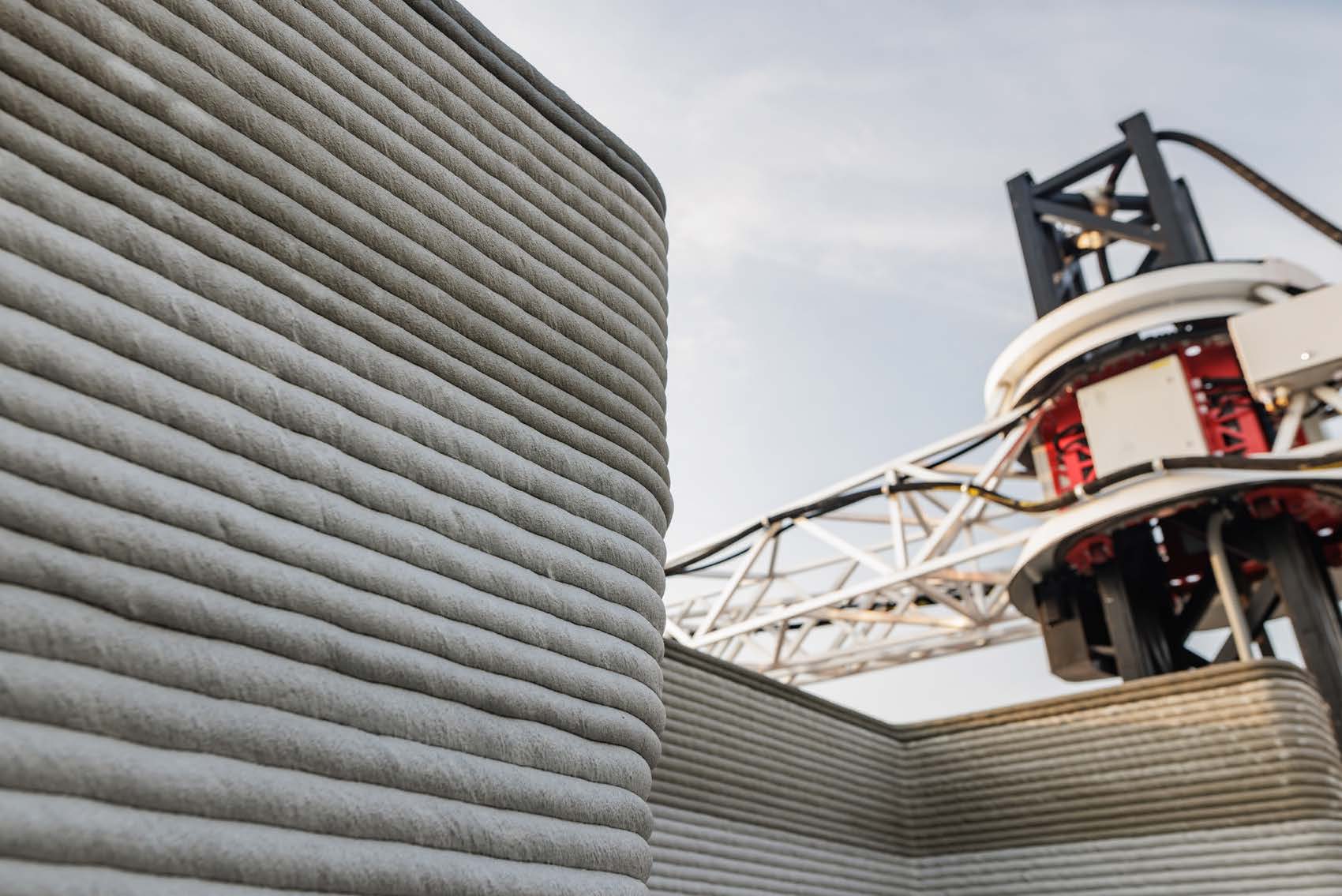
Ohio’s first 3D-printed home was built in 2024 by Sustainable Concrete Innovations, LLC. We had the chance to sit down with its co-founder, John Smoll, to discuss his experiences, challenges and vision for the future of 3D-printed housing. Smoll’s ability to think creatively and adopt new technologies have positioned him as a leader in sustainable building solutions. In this article, Smoll shares insights into his pioneering efforts and what drives his passion for revolutionizing housing.
Q: COMING FROM A BACKGROUND IN TRADITIONAL CONSTRUCTION, WHAT INITIALLY DREW YOU TO THE IDEA OF 3D CONCRETE PRINTING? HOW DID YOU OVERCOME ANY SKEPTICISM ABOUT ITS FEASIBILITY FOR BUILDING HOMES?
Smoll: Honestly, I was a skeptic at first. My two partners approached me about getting into 3D printing back in 2022, and I wasn’t convinced it was ready for mainstream construction. We visited a project in Texas that had been under construction for seven months and was only halfway done. That confirmed my doubts.
But in early 2023, my partners came back with renewed enthusiasm and asked me to join as a general contractor for a project. I agreed, and we started working through design challenges, like addressing thermal bridging in concrete. By late 2023, we started printing our first house, and by 2024, it was complete. Despite the challenges, I was hooked. The problem-solving aspect of this emerging field drew me in, and I saw the potential for what 3D printing could do for the industry.
Q: YOU MENTIONED THE INDUSTRY ISN’T QUITE READY TO FULLY ADOPT OR SUPPORT 3D PRINTING. WHAT ARE SOME WAYS YOU THINK THIS TECHNOLOGY COULD CHANGE THE WAY WE BUILD HOMES IN THE FUTURE?
Smoll: The three big drivers are sustainability, affordability and durability. Right now, many homes are built with materials designed to last 15 to 20 years before needing replacement. With 3D printing, we can create more durable homes that withstand climate challenges like storms and reduce waste during construction. Most of the waste generated is recyclable, which is a huge sustainability win.
Labor savings is another key benefit. The construction labor pool is shrinking, so automation and robotics can help us do more with fewer people. Interestingly, the technology is also attracting individuals from outside traditional construction fields, thanks to its reliance on automation and robotics.
Q: WHAT ARE SOME OF THE STANDOUT BENEFITS OF 3D-PRINTED HOMES COMPARED TO TRADITIONAL CONSTRUCTION?
Smoll: One of the most exciting aspects is design flexibility. Traditional construction is often limited to straight lines and square corners because of cost constraints. With 3D printing, it’s just as easy to design curved or textured walls as it is to create straight ones. You can incorporate intricate patterns, like basket weaves or stone textures, into the walls without significantly increasing costs. This opens up a whole new world of architectural creativity.
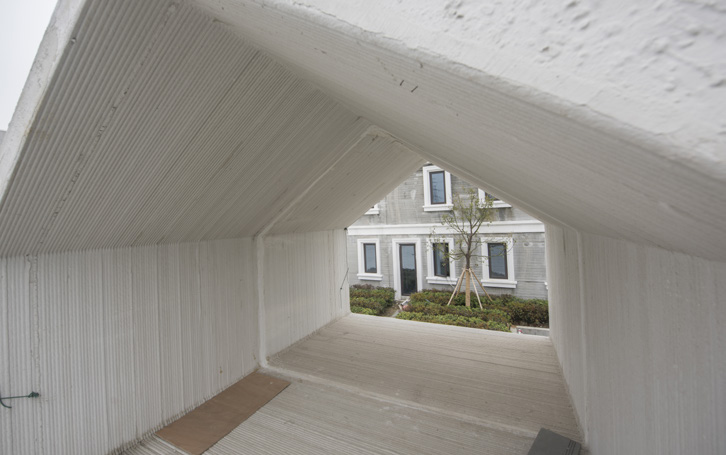
Additionally, 3D-printed homes come with finished walls, both interior and exterior, which eliminates the need for additional labor and materials to apply finishes. This is a significant cost-saving advantage over traditional methods like ICF (Insulated Concrete Form) homes, which still require finishing work.
Q: HOW WIDESPREAD IS 3D PRINTING IN THE CONSTRUCTION INDUSTRY RIGHT NOW?
Smoll: It’s still a niche market, but it’s growing. There are dozens of companies in the U.S. working on different aspects of 3D printing, from manufacturing printers to developing print media
(or “ink”) and actually building homes. However, the industry is far from mature. Many companies face challenges with limited support from printer manufacturers, who often move on to selling
the next machine instead of providing ongoing assistance.
That’s why we’ve taken a more hands-on approach, not just printing homes but also supporting others in the industry. We’ve even started designing our own printers and developing our own
print media to address the gaps we’ve encountered.
Q: WHAT’S ONE THING ABOUT 3D-PRINTED HOMES THAT MOST PEOPLE DON’T KNOW BUT ABSOLUTELY SHOULD?
Smoll: A common misconception is that 3D printing is the immediate answer to affordable housing. While it has incredible potential, there’s currently more work involved in building a 3D-printed home than a conventional one. Regulatory hurdles, integrating with other trades and educating surrounding industries like appraisers and insurers are significant challenges. For example, we assumed the insurance industry would embrace 3D-printed homes because of their durability and sustainability. Instead, we found many insurers reluctant to write policies due to a lack of data. That’s been one of the biggest surprises for us. However, as more homes are built and withstand extreme weather events, we expect this to change.
Q: AFTER COMPLETING ONE OF THE FIRST 3D-PRINTED HOMES IN OHIO, WHAT’S NEXT FOR YOU AND YOUR TEAM?
Smoll: We have three projects lined up for the summer of 2026 in Dayton, Lima and Akron, Ohio. One foundation is already poured and ready to print, while the other two are in the permitting process. Beyond that, we’re working with builders in Ohio and other states to help them get started with 3D printing. Our goal is to make 3D printing accessible to more builders without requiring them to invest in expensive equipment.
Q: ANY FINAL THOUGHTS TO SHARE WITH OUR READERS AHEAD OF YOUR PRESENTATION AT CFACON26?
Smoll: I think the key takeaway is that 3D printing is still in its early stages, but the potential is enormous. It’s not just about building homes, it’s about rethinking how we approach construction to make it more sustainable, affordable and durable.
I’m excited to share more at CFACON26 and look forward to connecting with others who are passionate about the future of our industry.