From Hard Hats to Helmets: The Evolution of Head Protection in the Workplace
By Scott Greenhaus
Previously published in Concrete Repair Bulletin, March/April 2024
In the realm of occupational safety, head protection has come a long way from its beginnings as a simple hard hat. The transition from hard hats to helmets represents a remarkable evolution in the goal to keep workers safe in a wide range of industries. This article explores the history and technological advancements that have reshaped head protection, emphasizing the importance of safeguarding workers in the construction industry.
Birth of the Hard Hat and the Transition to Helmets
Hard hats made from leather, canvas or steel first made their appearance in the early 20th century. The first hard hat, patented in 1919, was called the “Hard Boiled® Hat” (Fig. 1) because of the steam used in the manufacturing process. The first designated “Hard Hat Area” enforced with the threat of dismissal was set up at the San Francisco Golden Gate Bridge construction site.1 Hard hats were primarily used in the construction industry to protect workers from falling debris and head injuries. Over time, hard hats became more standardized and began to include suspension systems for added comfort and impact absorption. The iconic design, with a protective brim and a solid crown, became a symbol of safety in construction sites worldwide.
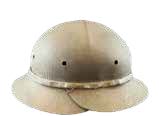
Fig. 1 – Hard Boiled® Hat (Courtesy of WaveCel)
The transition from hard hats to helmets is marked by significant advancements in technology and materials. The concept of a helmet, while similar to a hard hat in terms of providing protection, brought several key improvements to the table. The primary distinctions between hard hats and helmets include:
- Improved Impact Resistance: Helmets are designed with advanced impact-absorbing materials like high-density foam and polycarbonate shells, which provide enhanced protection against head injuries. This advancement is particularly crucial in industries where workers face high-impact risks, such as professional athletes and military personnel and now, construction crews (Fig. 2).
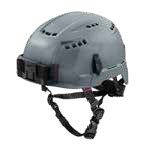
Fig. 2 – Construction helmet (Courtesy of Milwaukee)
- Customized Fit: Modern helmets are adjustable and come in various sizes to ensure a snug and comfortable fit for each user. This customization minimizes the risk of a helmet falling off during an accident or interfering with the wearer’s field of vision.
- Versatility: Helmets are used in a wide range of activities, including sports, motorcycling, mountaineering and firefighting. Each field has specific helmet designs tailored to the unique demands of the job. The best attributes of these helmets have been incorporated into the construction helmet.
- Enhanced Safety Features: Helmets often incorporate additional safety features such as engineered chin straps, impact sensors, and ventilation systems to provide users with a more comfortable and secure experience. These features help users stay safe while maintaining comfort during extended periods of use.
Traumatic brain injury (TBI) remains a significant concern in various industries, especially those where high-impact accidents are more likely, such as construction. The transition to helmets has brought significant improvements in TBI protection through:
- Impact-Absorbing Materials: Helmets use advanced impact-absorbing materials, such as high-density foam and honeycomb, cellular materials and liner systems that reduce rotational impact forces, each design incorporating elements that reduce the risk of TBI.
- Customization: A well-fitted helmet minimizes the potential for brain injury by effectively absorbing and dispersing impact forces. The adjustability of helmets ensures a snug and secure fit for each user, optimizing protection.
Rotational impact, often overlooked, is also a critical factor in head injuries (Fig. 3). It occurs when the head is subjected to both linear and rotational forces during an impact, causing strain and damage to the brain. The traditional hard hat design was not effective in addressing these rotational forces, leading to concerns about brain injuries.
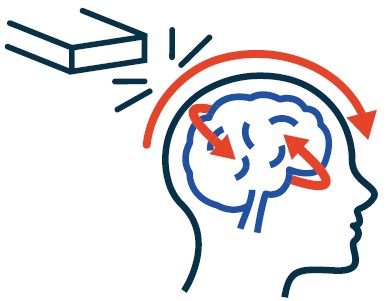
Fig. 3 – Rotational impacts are indirect hits at an angle that causes rotational movement of the brain within the skull.
Regulatory Requirements, Comfort and Fit
To address the limitations of hard hats and improve head protection, regulatory bodies like the Occupational Safety and Health Administration (OSHA) and the American National Standards Institute (ANSI) established comprehensive standards and regulations for head protection in the workplace.
- OSHA Standards: OSHA, a federal agency in the United States, sets and enforces workplace safety standards. OSHA’s standards for head protection are outlined in 29 CFR 1910.135.2 These standards require employers to ensure that employees wear head protection when working in areas with potential head injuries from falling objects or electrical hazards. OSHA-approved helmets must meet specific design and performance requirements.
- ANSI Standards: ANSI, a non-profit organization, develops consensus-based standards for various industries, including head protection. ANSI/ISEA Z89.13 outlines the performance requirements for protective helmets used in industrial and construction settings. This standard categorizes helmets into two classes—Type I and Type II—and specifies requirements for impact and electrical resistance.
Regulatory bodies are currently evaluating how requirements might be changed/augmented to recognize the benefits of a well-designed construction helmet. All helmets must meet the current requirements of ANSI Type I and Type II.
While hard hats were a significant step forward in occupational safety, they often lacked the comfort and adjustability required for extended use. Workers frequently complained of discomfort due to rigid materials and insufficient padding. The transition to helmets has brought a substantial improvement in this aspect. Modern helmets are designed with user comfort in mind, featuring:
- Customized Fit: Helmets come in various sizes and are often equipped with adjustable components such as straps and interior padding. This customization ensures a secure and comfortable fit for each user, reducing the likelihood of discomfort and fatigue.
- Ventilation Systems: Helmets often incorporate ventilation systems that allow air circulation, preventing heat buildup and discomfort. These systems are especially vital for workers in hot and humid conditions.
- Accessories: Helmets are designed for easy and secure attachment of accessories such as head lamps, earmuffs and face shields.
The perception that helmets are hotter than hard hats is a common concern among workers. However, the truth depends on several factors:
- Ventilation: As mentioned earlier, many modern helmets feature ventilation systems that help dissipate heat (Fig. 4). While hard hats have solid crowns that can tap heat, helmets are designed to counteract this issue, making them more comfortable in warm environments utilizing vents as well as channels in the foam protection layer and suspension systems that allow for air flow within the helmet.
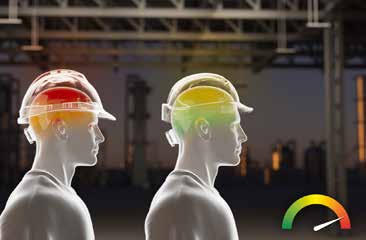
Fig. 4 – Thermal gradients of hardhats compared to helmets (Courtesy of KOROYD).
- Material: The type of material used in helmets also plays a role in heat retention. Lightweight materials, helmet color and advanced design features help reduce heat buildup in helmets.
Manufacturers and testing labs are currently evaluating heat effects with an eye toward better understanding actual vs. perceived heat retention differences between hard hats and helmets. This information will help dispel myths and misunderstandings and, in some cases, may lead to modifications to the helmet designs.
New Technologies for Head and Brain Protection
The transition from hard hats to helmets has led to the development of innovative technologies that address rotational impact and offer improved head and brain protection:
- MIPS (Multi-directional Impact Protection System): MIPS is a revolutionary technology incorporated into many modern helmets (Fig. 5). It consists of a low-friction layer between the outer shell and the inner liner, allowing the helmet to move slightly upon impact. This movement helps reduce rotational forces and the risk of traumatic brain injury.
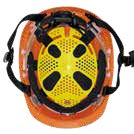
Fig. 5 – MIPS
- Improved Materials: Advanced materials like Koroyd (Fig. 6) and WaveCel (Fig. 7) have been integrated into helmet designs to enhance impact absorption and reduce rotational forces during accidents.
The transition from hard hats to helmets marks a remarkable evolution in head protection. From their origins in the sporting and adventure industries to their growing use in construction, helmets are becoming a symbol of safety, innovation and caring for the health of the workforce. The integration of advanced materials, improved design and custom-fit options has significantly enhanced the protection offered to workers. As technology continues to advance, we can expect even more innovative solutions to further improve head protection and safety in the workplace and beyond.
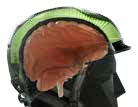
Fig. 6 – Koroyd
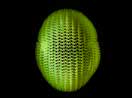
Fig. 7 – WaveCel
References
- Cassidy,Steven. 1992. Spanning the Gate. Squarebooks, Pg 104.
- OSHA 29 CFR 1910.135, “Head Protection,” Occupational
Safety and Health Standards, Washington, D.C.
- ANSI/ISEA Z89.1-2009, “American National Standard forIndustrial Head Protection,” American National StandardsInstitute and International Safety Equipment Association.
The Construction Mental Health Alliance (CMHA) is a new 501(c)(3) organization that is working to address these challenges head-on. Their mission is to drive systemic change in the construction industry by embedding mental health, emotional well-being and psychological safety into every level of the workforce—from company leadership to the jobsite. Their vision is bold but necessary: a construction industry where mental wellness is valued as highly as physical safety. Imagine a world where workers feel supported, leaders are proactive and well-being is built into every project, contract and decision. CMHA has gathered the best tools, resources and expert guidance from across the construction industry to help you find answers, support and hope.
Scott Greenhaus is affiliated with Structural Group Inc., a construction technology and service provider specializing in concrete repair, strengthening, protection and new construction products, systems and services throughout the United States and the Middle East. He served as the Executive Vice President and Chief Risk Officer of Structural Group Inc. headquartered in Columbia, Md. Greenhaus is Vice Chairman of the University of Maryland Engineering Board of Visitors and has been on the Board of Directors of the Post-tensioning Institute (PTI), International Concrete Repair Institute (ICRI) and American Society of Concrete Contractors (ASCC) and served as the Chairman of the ASCC Safety and Risk Management Council. He is also a member of ASCE, ACI, ANS and ASSE and currently serves as Chair of the CMHA.